How to Market Teardown Properties With AI Renderings
Buying teardown properties requires imagination. Unfortunately, most people are not very imaginative. With AI visual tools, you can create a beautiful rendering of what a teardown site could look like, and get more buyers interested.
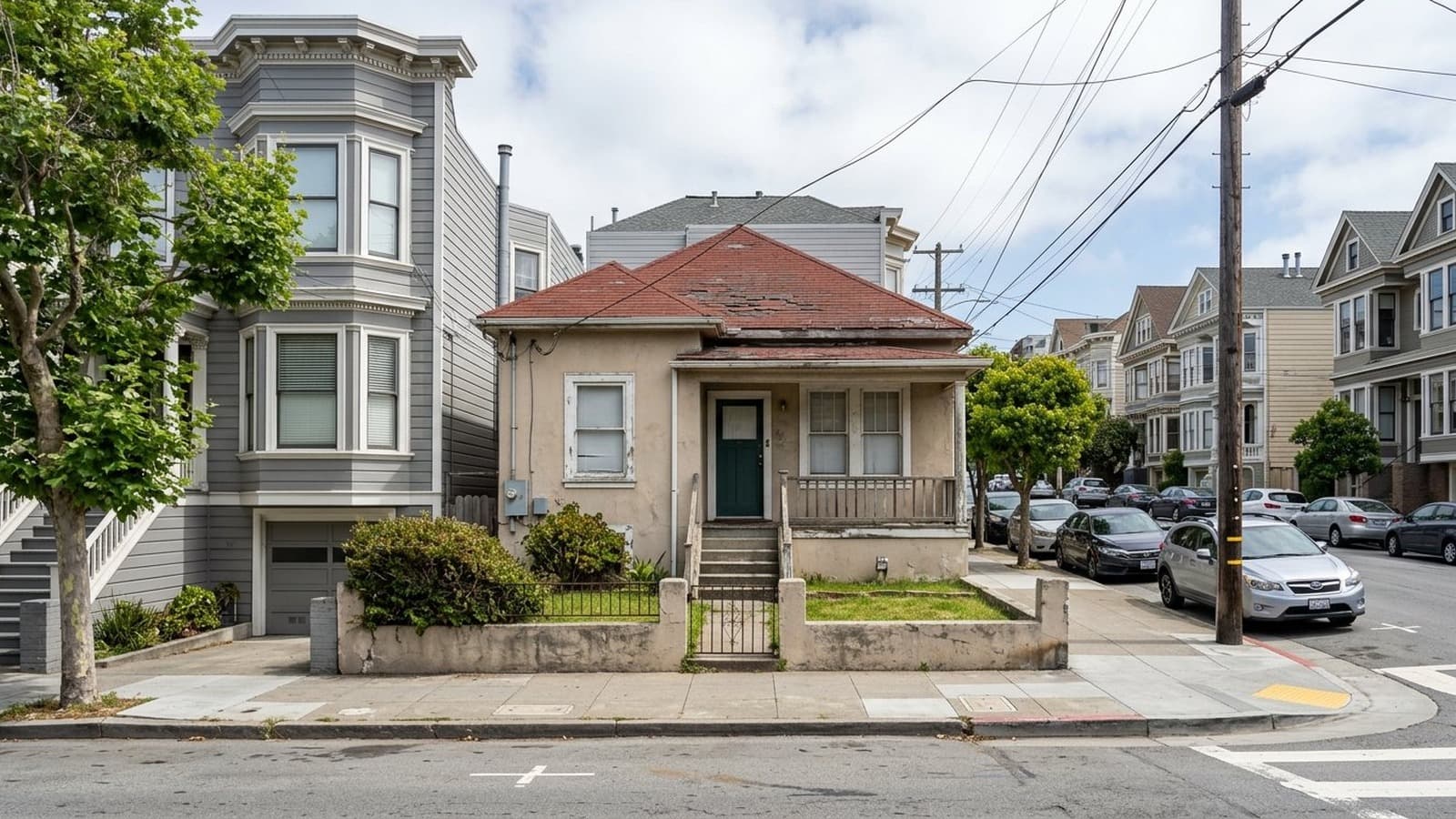
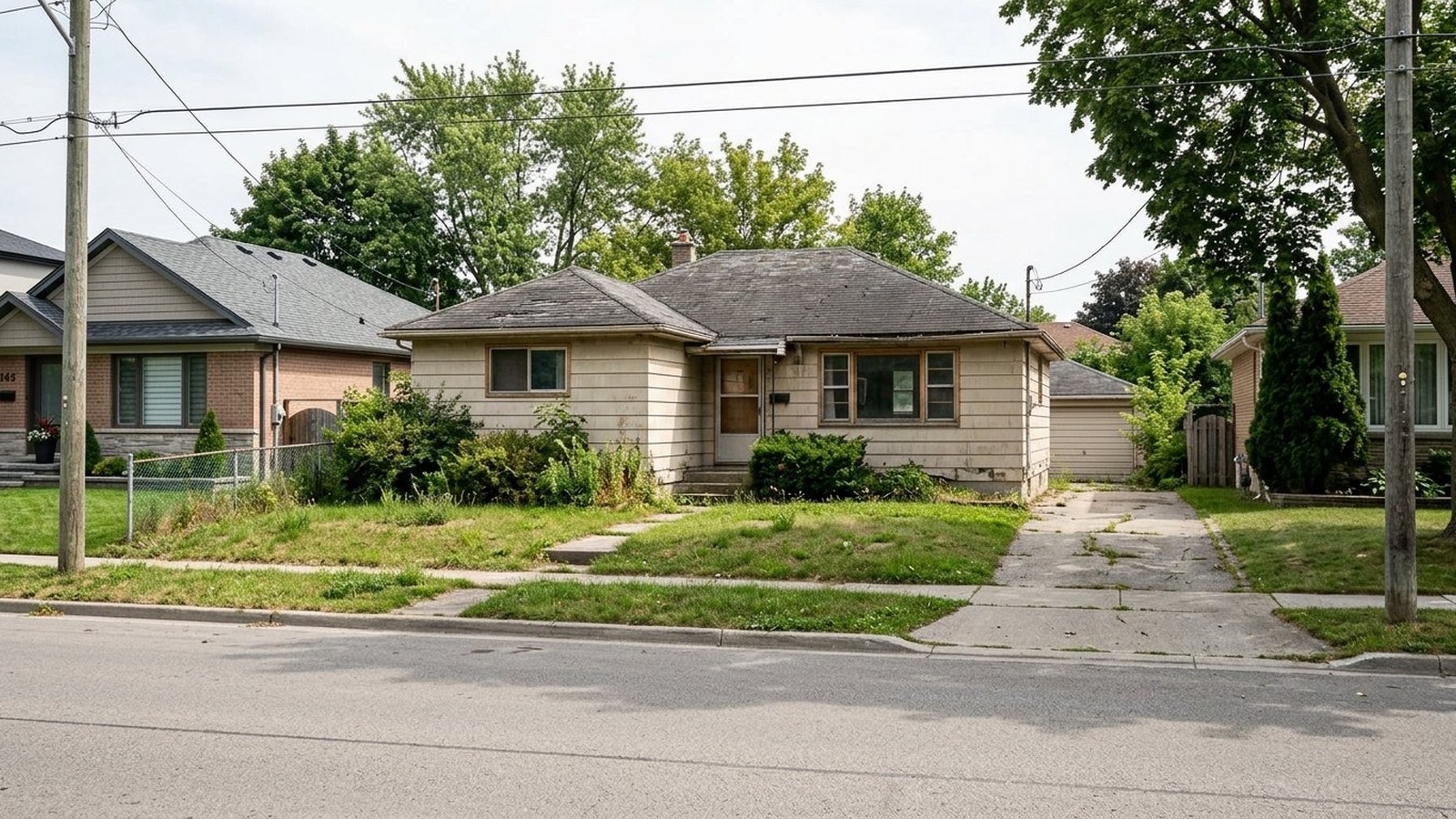 Current property
Current teardown photo
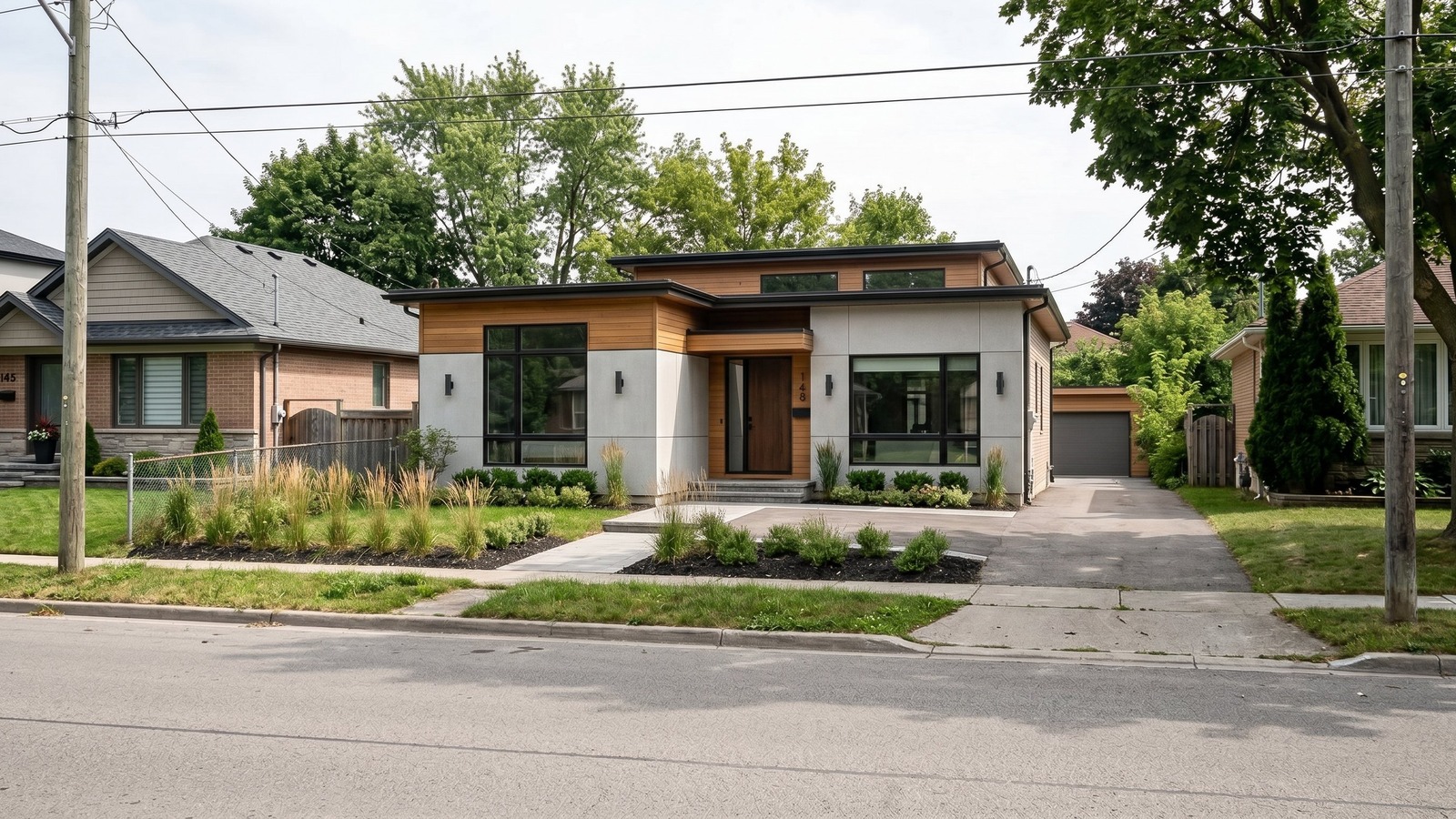 AI rendering
AI replacement-home rendering
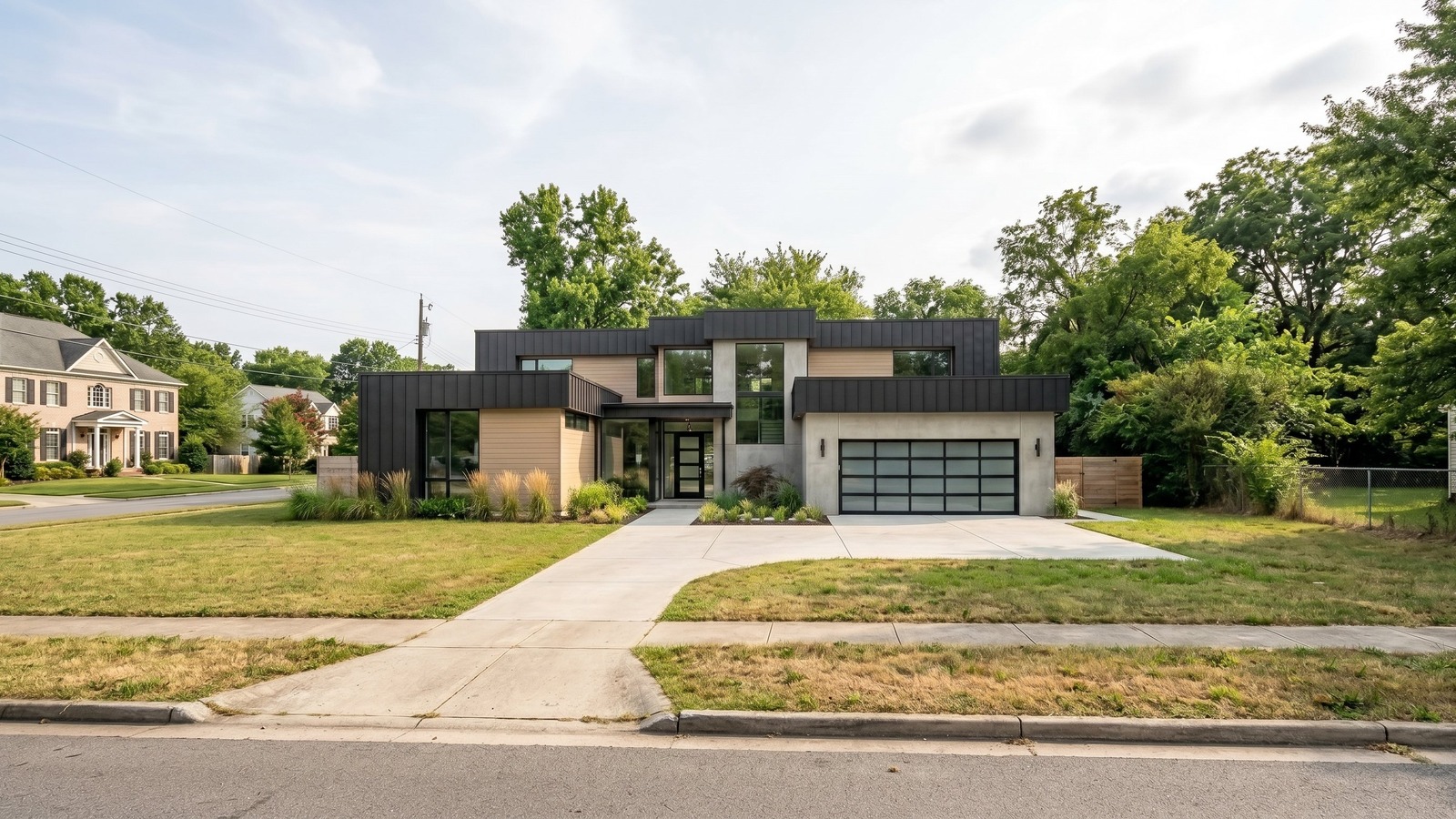
Redevelopment visual
Current property
AI rendering
Listing visual
Why teardown listings need better visuals
When looking at a teardown listing, there's usually not much to see. Photos of the old building make it hard to picture what new construction could look like on the lot.
If the house is dated, undersized, or in poor condition, the value is mainly in the lot. A rendering helps buyers visualize the lot with modern new construction on it instead.
A teardown can be a strong investment opportunity, but the listing often gives buyers very little visual evidence.
AI house rendering gives buyers a clear visual of what redevelopment could look like. You still show the property honestly, but you also show a realistic version of what a new home could look like on the same site.
Where AI renderings help teardown listings
Dated house Older homes on valuable land
When the existing house is not the main selling point, a rendering can shift attention back to the lot and the redevelopment opportunity.
Learn about house rendering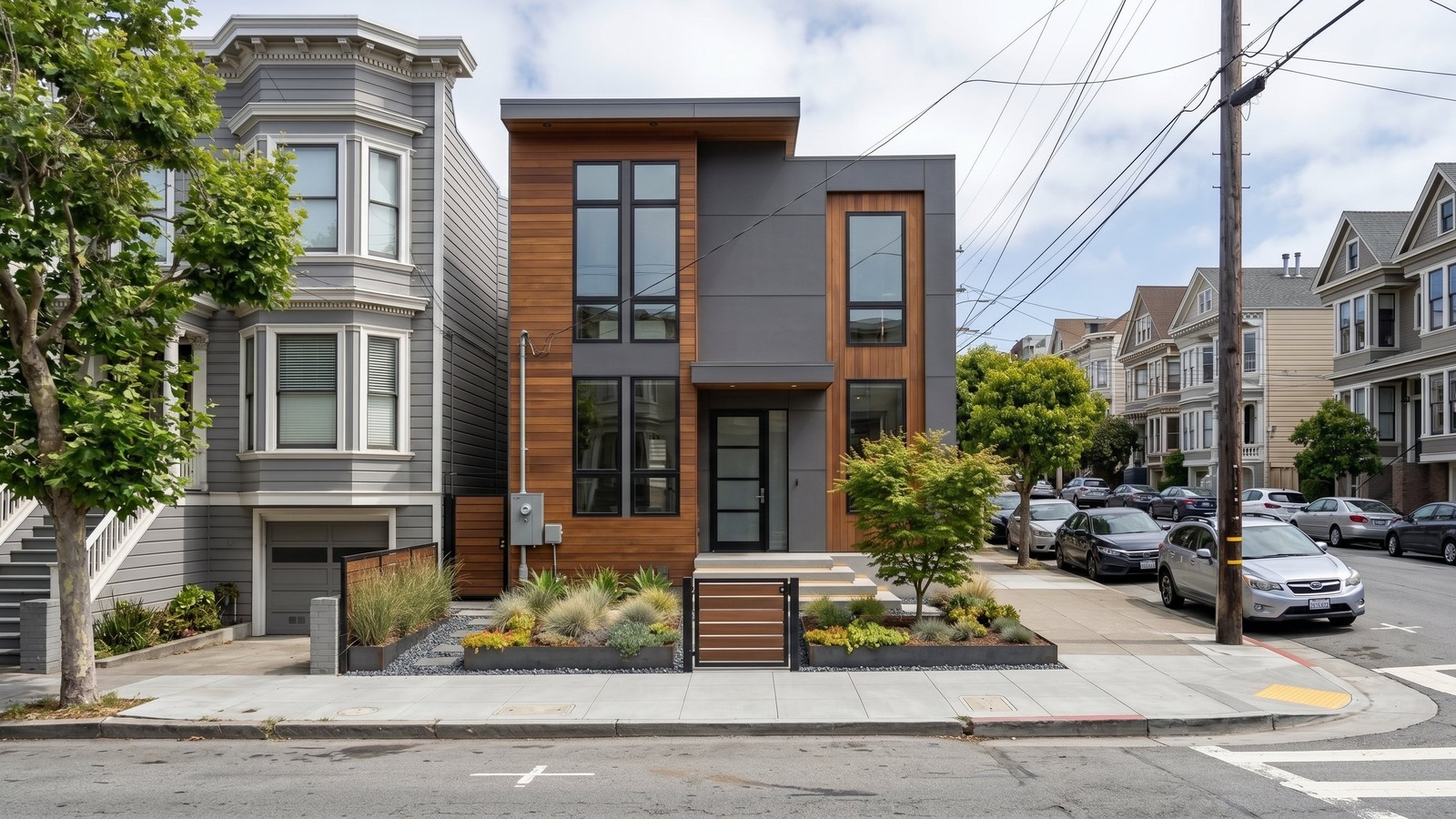 Narrow city lot
Older homes on narrow city lots
On narrow lots in desirable neighborhoods, show how a modern replacement home would look between the surrounding homes.
- Wide lot
Underused wide lots
If the existing house is too small for the lot, show a larger replacement home that uses the frontage more effectively.
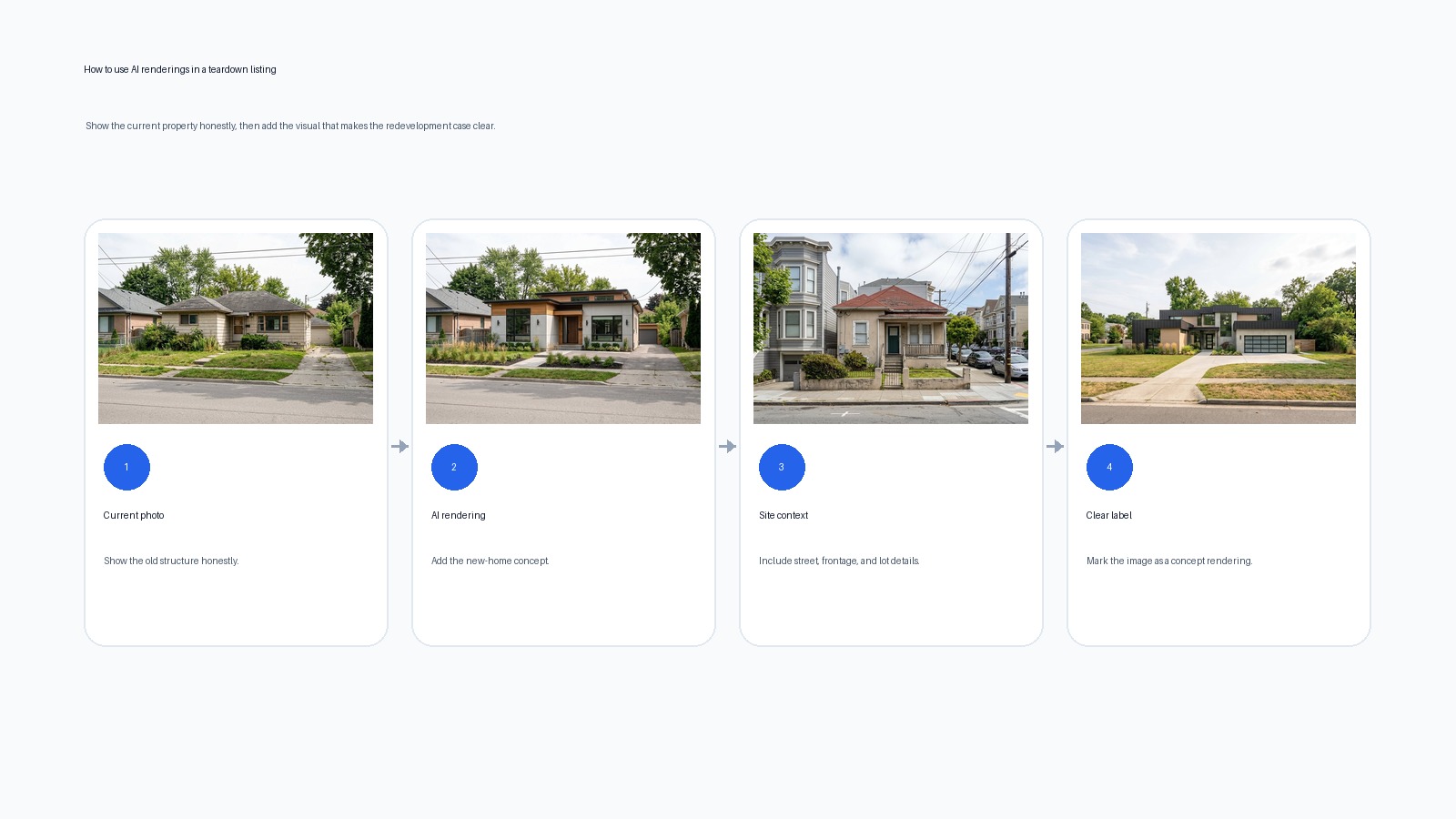
Listing sequence Agent and developer presentations
Use concept visuals in listing pages, investor decks, builder conversations, and seller presentations.
Read the exterior rendering guide
Use renderings alongside current photos
Current photos still matter. Buyers need to know what they are actually buying, especially with a teardown.
A strong teardown listing usually shows both:
- the current exterior or street-view photo
- an AI rendering of a possible replacement home
- lot, frontage, driveway, and neighborhood context
- a clear label that marks the image as a concept rendering
That sequence gives buyers both pieces of information: what is there now, and what the site could reasonably become.
Teardown property AI rendering examples
Compare current teardown photos with AI-generated replacement-home concepts that keep the site context recognizable.
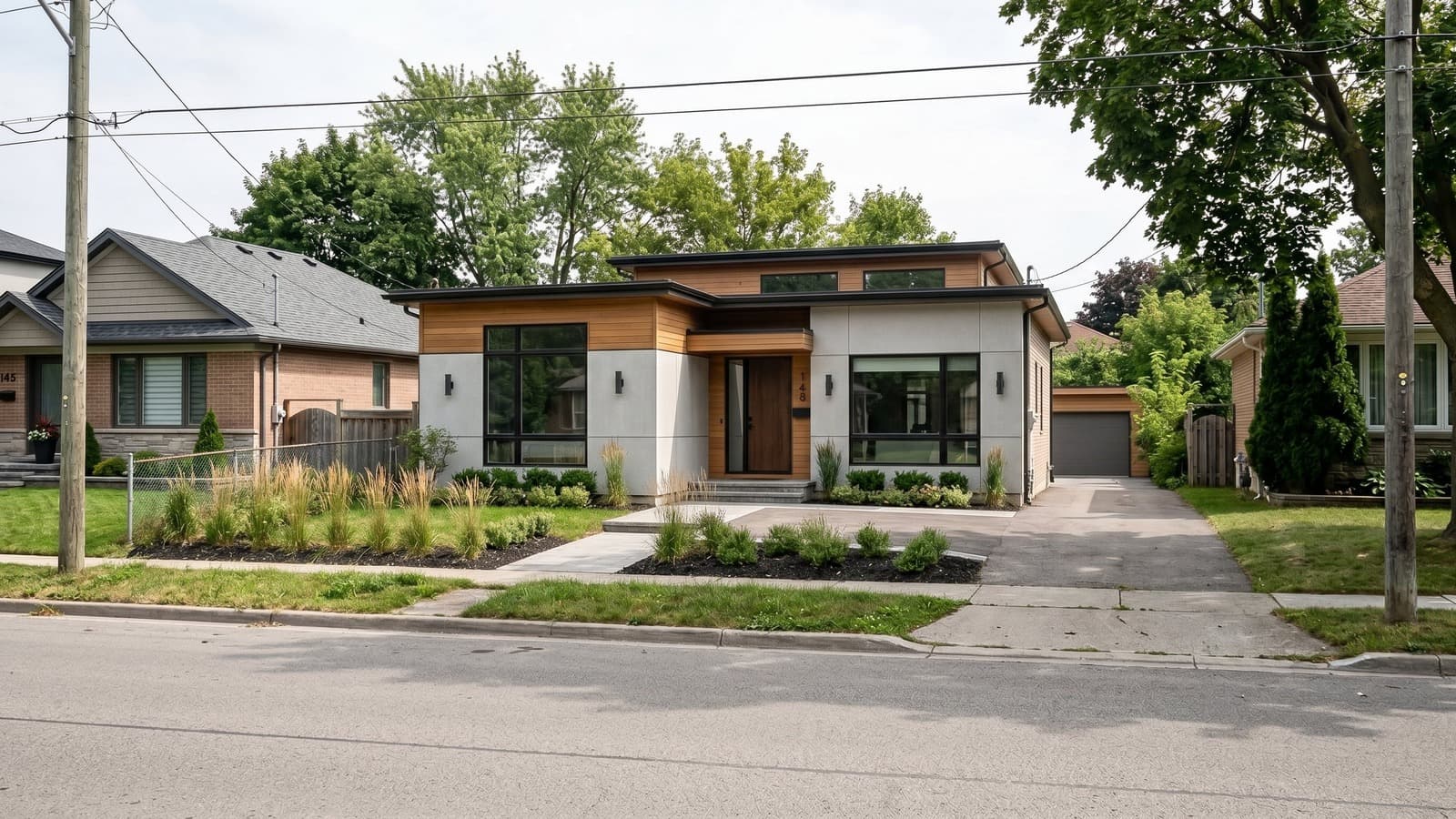
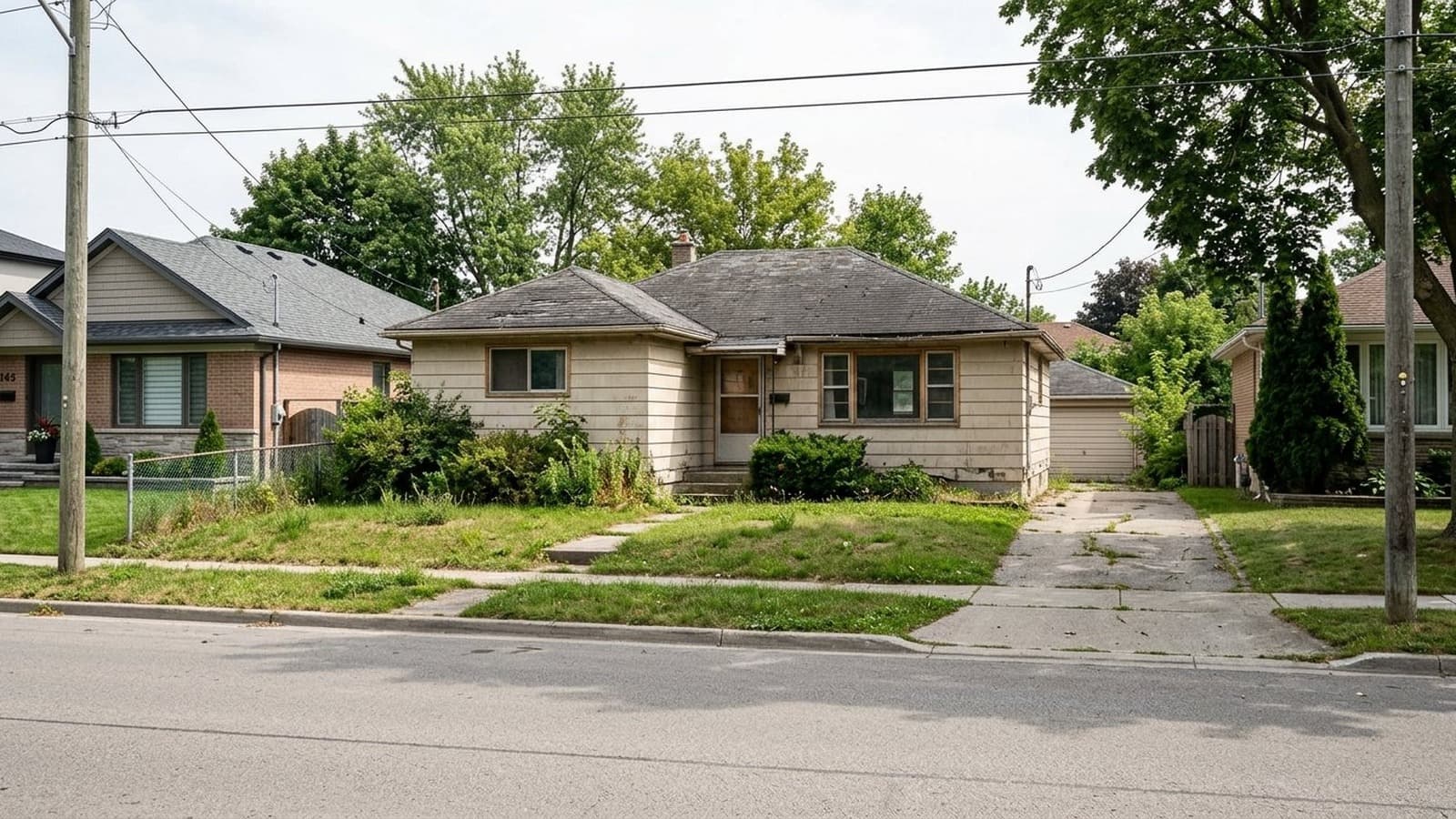
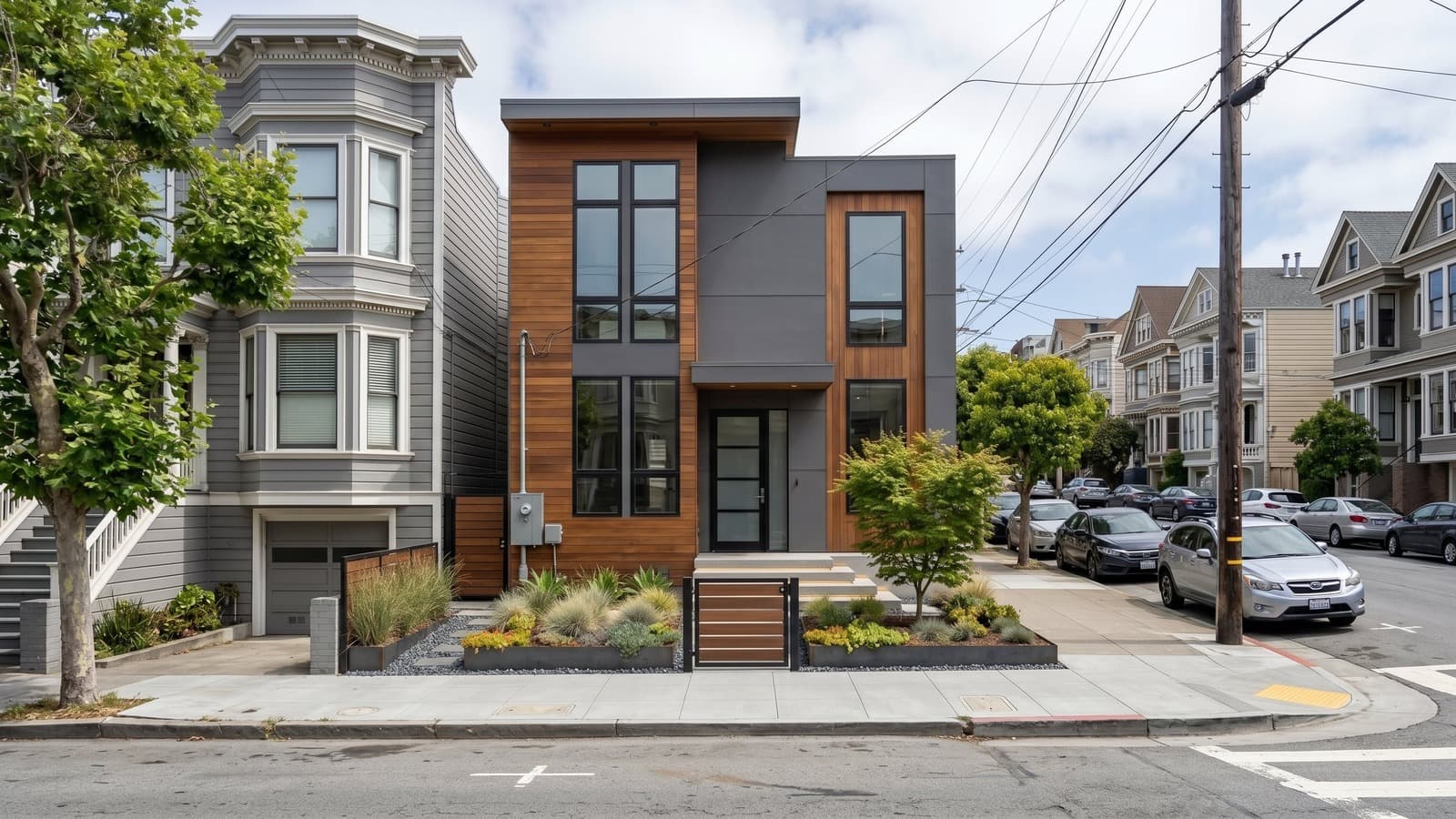
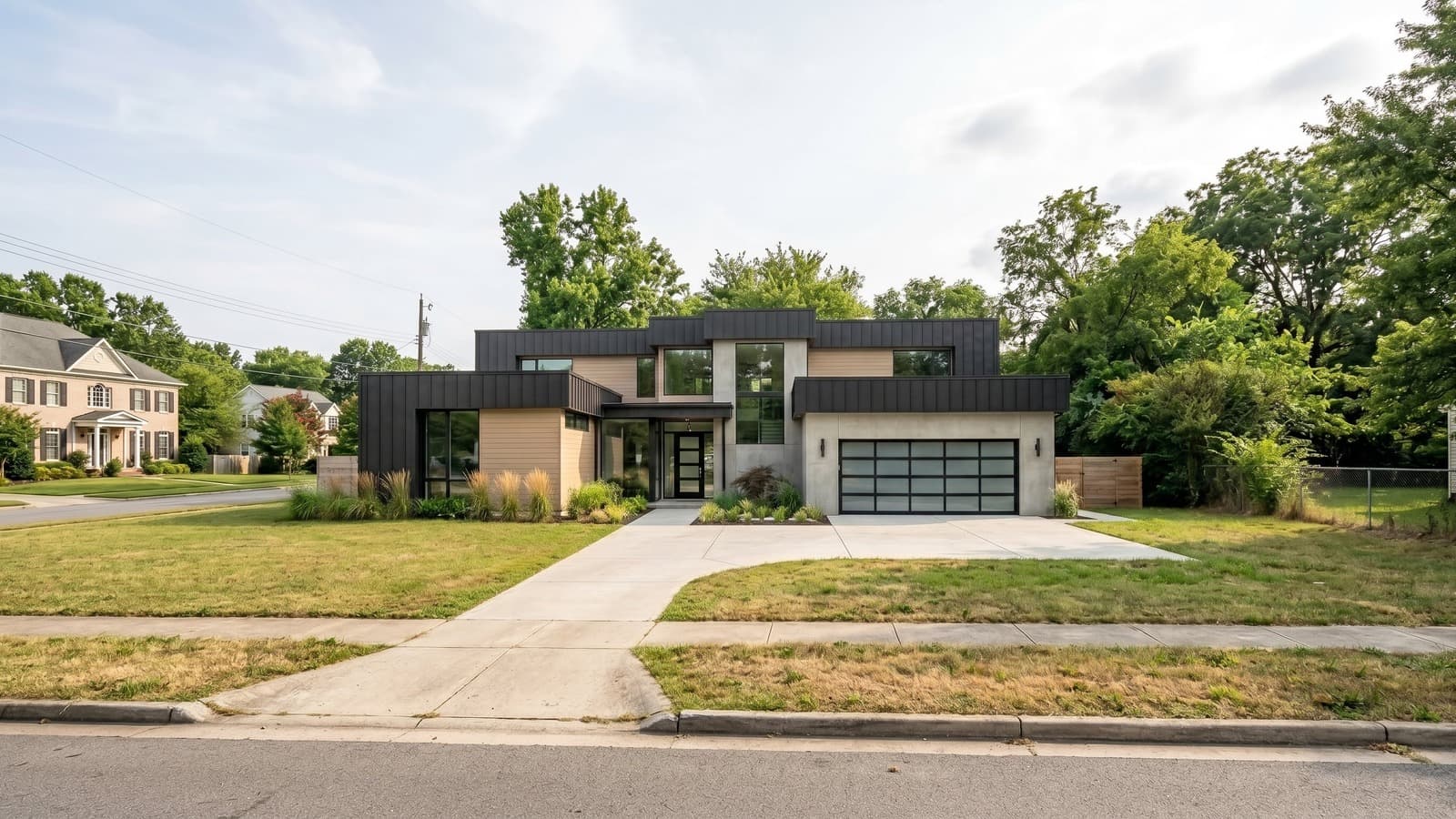
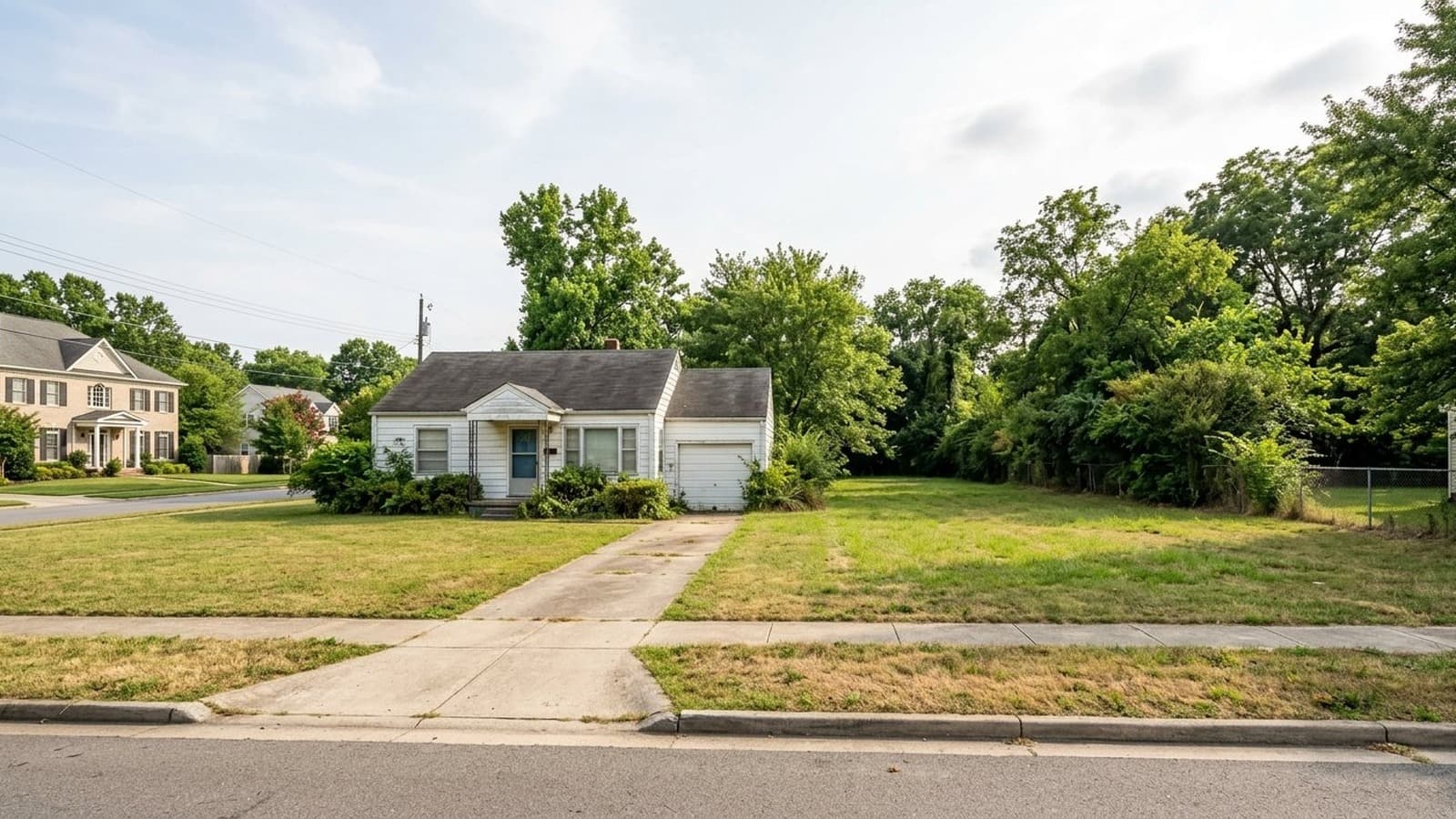
Dated suburban teardown: the existing structure is replaced with a contemporary family home while preserving the street, driveway, neighboring homes, and lot relationship.
Keep the listing honest
AI renderings are marketing visuals. They are not construction documents.
Label the image clearly as an AI rendering, concept rendering, or visual concept. Keep the original property photos available. If the listing discusses buildability, permits, zoning, setbacks, utilities, or approved plans, make sure those claims are supported by the actual property facts.
For broader guidance on edited listing visuals, see our guide to virtual staging disclosure and MLS compliance.
Generate Beautiful Visuals For Your Teardown Listings
A teardown listing should not depend on the buyer doing all the imagination work. Use AI house rendering to give buyers something better to react to, so they can look past the old structure and take the site seriously.
Create a House RenderingTeardown property rendering FAQ
Can AI renderings help sell teardown properties?
Yes. AI renderings can help buyers see a realistic replacement-home concept instead of only reacting to the old structure. They work best when paired with current photos and clear disclosure.
Should I remove the existing house from the listing photos?
No. Keep current photos available so buyers understand the actual property condition. Use the rendering as an additional concept image, not as a replacement for the real listing photos.
Is an AI rendering the same as an architectural plan?
No. An AI rendering is a marketing visual. It can show one possible idea for the site, but it should not be presented as a permitted plan, construction drawing, or guaranteed final design.
What should a teardown rendering preserve?
It should preserve the visible site context: street, lot relationship, neighboring homes, slope, driveway access, and realistic house scale. The more believable the image feels, the more useful it is for buyers.