What is AI Virtual Staging?
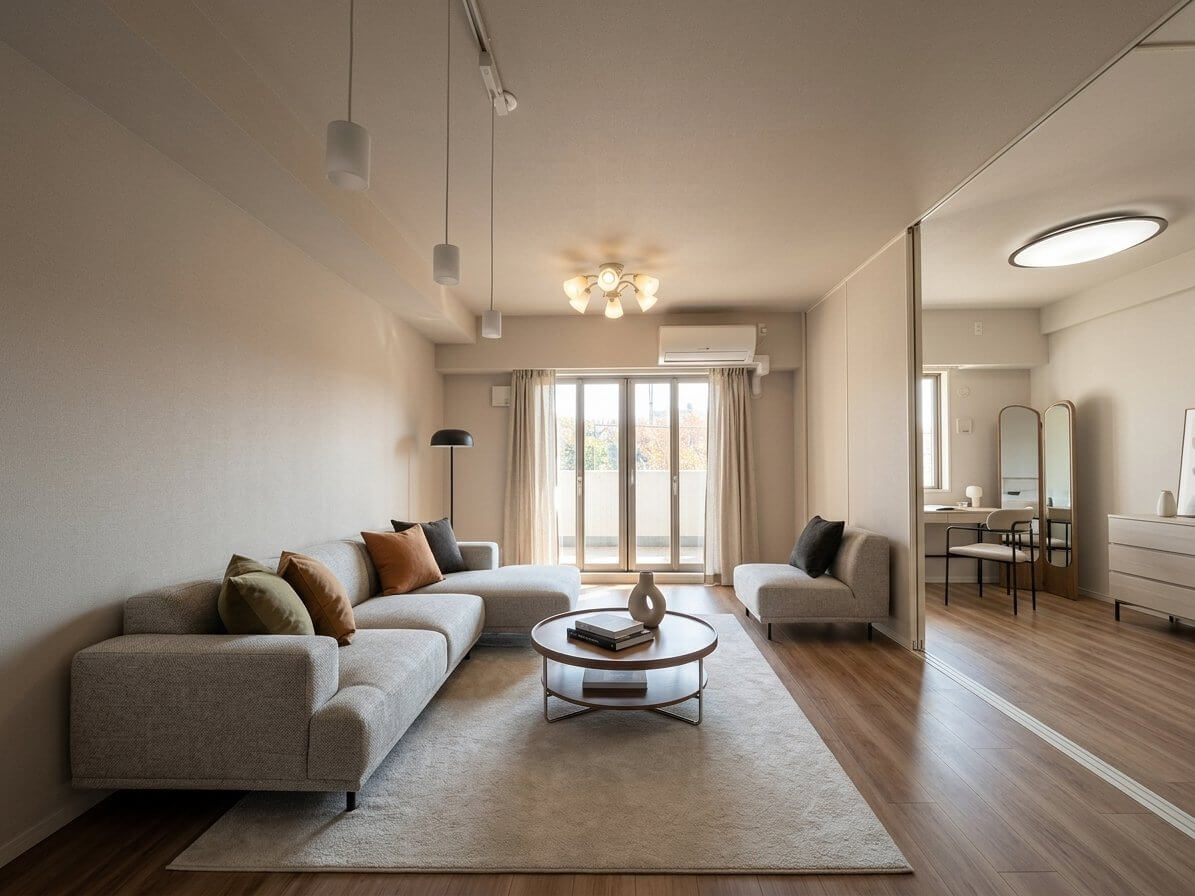
AI virtual staging uses artificial intelligence to digitally furnish empty or vacant properties. Instead of physically moving furniture into a space, the technology analyzes photos of empty rooms and adds realistic-looking furniture, decor, and styling through image processing.
The process takes minutes rather than days. You upload a photo of an empty room, select a design style, and the AI generates a furnished version that potential buyers can view in listings.
[Image: Side-by-side comparison showing an empty living room on the left and the same room virtually staged with modern furniture on the right]
Traditional virtual staging has existed for years, relying on graphic designers manually editing photos in Photoshop. AI staging automates this process using machine learning models trained on thousands of interior design images. The result is faster turnaround times and lower costs.
How AI Virtual Staging Works
The technology behind AI virtual staging combines computer vision and generative AI. Here's what happens when you upload an empty room photo:
Image Analysis: The AI identifies the room type (bedroom, living room, kitchen), analyzes spatial dimensions, detects architectural features like windows and doors, and understands lighting conditions.
Furniture Selection and Placement: Based on the room analysis, the system selects appropriate furniture pieces from its database. It considers scale, proportion, and design style to ensure pieces fit naturally in the space.
Rendering: The AI generates the furnished image, adding shadows, reflections, and lighting adjustments so virtual furniture blends seamlessly with the original photo.
Most AI-powered virtual staging tools now use diffusion models or similar generative AI architectures. These models understand spatial relationships and can create photorealistic furniture that matches the perspective, lighting, and style of the original room.
The quality depends heavily on your source photos. Clear, well-lit images taken with a wide-angle lens produce the best results. Poor lighting, extreme angles, or low resolution can result in less convincing staged photos.
Cost Comparison: AI vs Traditional Staging
The cost difference between AI and physical staging is substantial.
Traditional Physical Staging:
- Average cost: $2,000 to $5,000+ per property
- Monthly rental fees if the home sits on market
- Transportation and setup labor
- Typically requires 3-7 days for setup
- Limited to physical furniture inventory
According to the Real Estate Staging Association, traditional staging costs can reach $600-900 per room per month in major markets.
AI Virtual Staging:
- Cost: $5 to $50 per photo depending on the service
- No ongoing fees
- Turnaround time: hours or less
- Unlimited style variations
- Can stage multiple rooms for under $200
[Image: Infographic comparing traditional staging costs ($2,000-$5,000) vs AI virtual staging costs ($25-$200 for a typical home)]
For a typical 3-bedroom home requiring 5-7 staged photos, AI virtual staging costs $25-$350 total compared to $2,000+ for physical staging. The savings become more significant for properties that remain on the market for extended periods, as physical staging incurs ongoing monthly fees.
Benefits of AI Virtual Staging
Faster Time to Market
You can list a property with staged photos within 24 hours of photography. Traditional staging requires scheduling, furniture delivery, and setup time that can delay listings by a week or more.
Multiple Design Styles
Want to see how a room looks with modern, traditional, or minimalist furniture? AI staging lets you generate multiple versions instantly. This helps appeal to different buyer demographics or test which style generates more interest.
Some agents create separate listing versions targeted at different audiences—contemporary staging for urban buyers, traditional for suburban markets.
Increased Buyer Interest
Staged homes sell faster and for higher prices than vacant ones. The National Association of Realtors reports that 82% of buyers' agents say staging makes it easier for buyers to visualize the property as their future home.
While this data covers all staging (not just virtual), the principle applies: furnished spaces help buyers understand room scale and functionality better than empty rooms.
Risk-Free Experimentation
You can test different furniture arrangements or styles without physical commitment. If a design doesn't resonate with your target market, try a different approach for minimal cost.
Works for Any Property Condition
AI staging works even when physical staging isn't practical—properties under renovation, new construction, or homes where sellers still live but have outdated furniture.
Limitations to Consider
Disclosure Requirements
Most real estate regulations require clear disclosure that photos are virtually staged. The National Association of Realtors Code of Ethics mandates that representations must be honest and not misleading.
Failing to disclose virtual staging can lead to complaints, trust issues with buyers, or even legal problems. Always watermark or caption staged photos clearly. For more details on compliance, see our guide on virtual staging disclaimer requirements.
Quality Depends on Source Photos
AI virtual staging can't fix fundamental photography problems. Distorted perspectives, poor lighting, or cluttered spaces will produce subpar results. Professional real estate photography is still essential.
Not a Replacement for Physical Condition
Virtual staging makes empty rooms look furnished—it doesn't repair damage, update outdated features, or fix poor layouts. Buyers will see the actual condition during showings.
If your property has condition issues, virtual staging might increase showing requests but won't close deals. Consider whether actual improvements would provide better ROI.
Potential for Mismatched Expectations
When buyers see beautifully staged photos then tour an empty home, some feel disappointed. This is less of an issue when staging is clearly disclosed, but it's worth considering for your market.
Some agents provide both empty and virtually staged photos in listings to manage expectations.
Technical Limitations
AI sometimes struggles with:
- Unusual room shapes or angles
- Spaces with extensive glass or mirrors
- Very small or very large rooms
- Outdoor spaces (though this is improving)
Most quality AI staging services offer revisions or refunds for photos that don't meet quality standards.
[Image: Example showing common AI staging errors to watch for, such as furniture at wrong scale or unrealistic shadows]
Future of AI Virtual Staging
The technology continues to evolve rapidly. Here's what's emerging:
Virtual Reality Integration
Some platforms are combining virtual staging with VR walkthroughs. Instead of static staged photos, potential buyers can navigate through a virtually furnished space using VR headsets or 360-degree web viewers.
This addresses one limitation of photo-only staging—buyers get a complete spatial understanding of furnished rooms.
Video Staging
AI video staging is beginning to appear, allowing agents to create virtually staged video walkthroughs. The technology is less mature than photo staging but improving quickly.
Hyper-Personalization
Future AI systems may allow buyers to input their actual furniture dimensions and style preferences, then generate staging that reflects how their specific pieces would look in the space.
Exterior Staging
While current AI staging focuses primarily on interiors, newer models are getting better at staging outdoor spaces—adding landscaping, patio furniture, or pool features to bare yards.
Higher Resolution and Realism
As generative AI models improve, the line between virtually staged and photographed furniture continues to blur. Expect even more photorealistic results that are indistinguishable from physical staging.
Getting Started with AI Virtual Staging
If you're considering virtual staging for your listings, start with these steps:
- Invest in quality photography: Use a professional real estate photographer or at minimum a good wide-angle lens with proper lighting
- Choose rooms strategically: Focus on living rooms, master bedrooms, and other key spaces that influence buyer decisions
- Select appropriate styles: Match staging to your target buyer demographic and local market preferences
- Disclose clearly: Add watermarks or captions to all virtually staged photos
- Track results: Monitor whether staged listings generate more inquiries or showings
Tools like AI virtual staging services make the process straightforward—you upload photos, select design preferences, and receive staged images within hours. At $5-25 per photo, it's a low-risk investment that often pays off in faster sales and higher buyer interest.
[Image: Screenshot showing the workflow of uploading an empty room photo and receiving staged options in different styles]
The key is using virtual staging as part of a comprehensive marketing strategy, not a replacement for good photography, accurate descriptions, and honest representation of your property.