Virtual home staging has become one of the fastest-growing niches in real estate technology. If you have an eye for design and enjoy working remotely, virtual staging offers a flexible career path with genuine demand.
This guide covers everything you need to know about finding and succeeding in virtual home staging jobs, from required skills to realistic salary expectations.
Table of Contents
- What Is Virtual Home Staging?
- Why Virtual Staging Jobs Are Growing
- Skills and Tools You'll Need
- Training and Certifications
- Where to Find Virtual Home Staging Jobs
- Freelance vs. Full-Time Positions
- What Virtual Home Stagers Actually Earn
- Building Your Portfolio
- Tips for Getting Hired
What Is Virtual Home Staging?
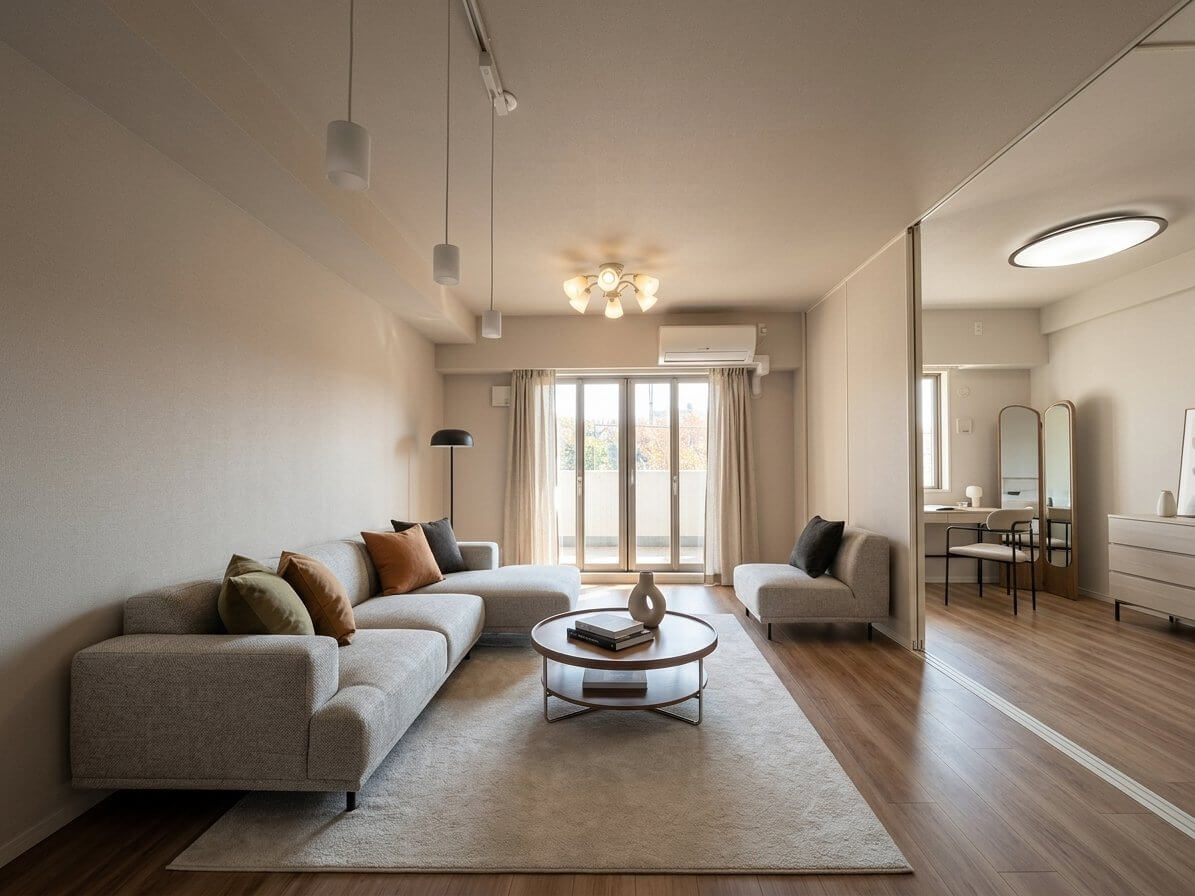
Virtual home staging is the process of digitally adding furniture, decor, and design elements to photos of empty or poorly furnished rooms. Using photo editing software, virtual stagers transform vacant listings into warm, inviting spaces that help buyers visualize the property's potential.
Unlike traditional physical staging—which costs homeowners between $2,000 and $5,000 per property and requires renting actual furniture—virtual staging typically costs between $5 and $150 per photo depending on complexity and turnaround time.
[Image: Side-by-side comparison showing an empty living room on the left and the same room virtually staged with modern furniture, artwork, and decor on the right]
Why Virtual Staging Jobs Are Growing
The virtual staging industry has expanded significantly as real estate has shifted online. According to the National Association of Realtors' 2024 Profile of Home Staging, 82% of buyers' agents say staging makes it easier for buyers to visualize a property as their future home.
Several factors are driving demand for virtual staging professionals:
- Cost efficiency: Virtual staging eliminates furniture rental, moving, and storage costs
- Speed: Photos can be staged in 24-48 hours versus weeks for physical staging
- Remote work: The entire process happens digitally, making it ideal for remote workers
- Market conditions: In slower markets, sellers look for affordable ways to make listings stand out
As AI-powered virtual staging tools become more accessible, companies need skilled designers who understand both the technology and design principles to produce high-quality results.
Skills and Tools You'll Need
Successful virtual home stagers combine design knowledge with technical skills. Here's what you'll need:
Design Skills
- Understanding of interior design fundamentals (color theory, spatial planning, furniture scale)
- Knowledge of current design trends and regional style preferences
- Ability to match staging style to target buyer demographics
- Eye for lighting, shadows, and realistic perspective
Technical Skills
- Proficiency in Adobe Photoshop (the industry standard for manual staging)
- Familiarity with specialized virtual staging software (BoxBrownie, VisualStager, PhotoUp)
- Understanding of AI virtual staging platforms and when to use them
- Basic photo editing and color correction
- File management and workflow organization
Soft Skills
- Clear communication with real estate agents and homeowners
- Ability to take direction and incorporate feedback
- Time management to meet tight deadlines
- Attention to detail for realistic final images
You don't need a formal interior design degree, but you do need to demonstrate a strong grasp of what makes spaces appealing to buyers.
Training and Certifications
While no mandatory certification exists for virtual staging, several programs can strengthen your credentials:
- Real Estate Staging Association (RESA) offers a Virtual Staging Certification that covers industry standards and best practices
- QC Design School provides an online Home Staging course that includes virtual staging modules
- Udemy and Skillshare have affordable courses on Photoshop techniques specific to virtual staging
Most employers care more about your portfolio quality than certifications, but formal training helps you avoid common beginner mistakes like incorrect furniture scaling or unrealistic lighting.
[Image: Screenshot showing Photoshop workspace with layers panel visible, demonstrating furniture being added to an empty room photo]
Where to Find Virtual Home Staging Jobs
Virtual staging jobs fall into three main categories: employment with staging companies, freelance project work, and real estate agency partnerships.
Virtual Staging Companies
Several companies hire virtual stagers as employees or contractors:
- BoxBrownie (boxbrownie.com) - One of the largest virtual staging providers, regularly hiring remote designers
- Apply Design - Employs virtual stagers for high-volume real estate photo editing
- VirtualStagingStudio.com - Hires experienced Photoshop users for staging work
- PhotoUp - Real estate photo editing company with virtual staging services
These companies typically pay per image ($3-15 depending on complexity) or offer hourly rates for experienced designers.
Freelance Platforms
Many virtual stagers build businesses through freelance platforms:
- Upwork and Fiverr - Create a profile showcasing your portfolio and bid on staging projects
- Thumbtack - Connect with local real estate agents seeking virtual staging services
- 99designs - While primarily for graphic design, some staging projects appear here
Freelance rates vary widely. New stagers might charge $25-40 per image, while experienced professionals command $75-150 per photo for complex work.
Job Boards
Check these resources regularly:
- Indeed and LinkedIn Jobs - Search "virtual staging" or "virtual home stager"
- FlexJobs - Remote work board that frequently lists staging positions
- We Work Remotely - Tech-focused remote job board
- Real estate photography company websites (many have careers pages)
Direct Outreach to Real Estate Agents
Some of the best opportunities come from building relationships with local real estate agents and brokerages. Reach out to high-volume agents in your area, offer competitive introductory rates, and deliver exceptional work to earn ongoing business.
Freelance vs. Full-Time Positions
Both paths have distinct advantages depending on your goals.
Freelancing
Pros:
- Set your own rates and choose clients
- Complete flexibility in schedule and workload
- Potential for higher hourly earnings once established
- Ability to work from anywhere
Cons:
- Inconsistent income, especially when starting
- Responsible for your own taxes, health insurance, and benefits
- Must handle client acquisition and marketing
- Can feel isolating without team support
Full-Time or Contract Positions
Pros:
- Steady, predictable income
- Often includes benefits (health insurance, paid time off)
- Consistent workflow without hunting for clients
- Support from team members and established processes
Cons:
- Less control over which projects you work on
- May have production quotas or strict turnaround requirements
- Typically lower per-image earnings than successful freelancers
- Less schedule flexibility
Many virtual stagers start with freelance work to build their portfolio, then transition to employment for stability, or vice versa.
What Virtual Home Stagers Actually Earn
Virtual staging income varies significantly based on experience, employment type, and volume.
Per-Image Rates
- Entry-level: $3-8 per image (working for large staging companies)
- Mid-level freelancers: $30-60 per image
- Experienced specialists: $75-150+ per image for complex or luxury properties
Annual Income Estimates
According to ZipRecruiter's 2024 data, virtual staging salaries in the U.S. range from $30,000 to $72,000 annually, with the average around $48,000.
Freelancers working full-time who can complete 5-8 images daily at $40 per image could earn $50,000-80,000 annually. Top freelancers charging premium rates and maintaining consistent client relationships can exceed $100,000, though this requires business development skills beyond just design work.
Building Your Portfolio
Your portfolio is more important than your resume in this field. Here's how to build one from scratch:
- Start with your own photos: Take pictures of empty rooms (your home, friends' homes, rental properties) and stage them
- Show before and after: Always present your work as comparisons so clients see the transformation
- Demonstrate range: Include different room types (living rooms, bedrooms, kitchens) and styles (modern, traditional, minimalist)
- Maintain quality over quantity: 10-15 excellent examples beat 50 mediocre ones
- Create a simple website: Use platforms like Squarespace, Wix, or even a free Google Site to showcase your work
If you're struggling to find empty rooms to photograph, some staging companies provide practice images for portfolio development, or you can use stock photos of empty rooms (clearly disclose this to potential employers).
[Image: Portfolio website mockup showing a grid of before/after virtual staging examples with clean, professional layout]
Tips for Getting Hired
Based on what hiring managers at virtual staging companies look for:
Perfect Your Fundamentals
The most common rejection reason is unrealistic staging—furniture that doesn't match room perspective, incorrect shadows, or poor color matching. Practice until your staged furniture looks like it was actually photographed in the room.
Specialize Strategically
Consider focusing on a niche like luxury properties, outdoor spaces, or commercial real estate. Specialists can charge higher rates and face less competition.
Respond Quickly
Real estate moves fast. When applying for jobs or responding to client inquiries, quick turnaround demonstrates professionalism and reliability.
Understand Real Estate
Learn what sells homes. Stage for the target buyer demographic, not your personal taste. A luxury condo and a family home in the suburbs require completely different approaches.
Network Consistently
Join real estate groups on Facebook and LinkedIn, attend local real estate meetings, and connect with agents and photographers. Many opportunities come through referrals rather than job postings.
Price Appropriately
When starting out, competitive pricing matters more than premium rates. Once you have testimonials and repeat clients, gradually increase your prices.
Getting Started Today
Virtual home staging offers a genuine career path for design-minded individuals seeking remote work. The barrier to entry is relatively low—you need design skills, Photoshop proficiency, and a solid portfolio—but building a sustainable income requires consistency and business development.
If you want to explore what professional virtual staging looks like before committing to the career path, AI virtual staging services can show you the quality standards clients expect. Many staging professionals also use these tools to speed up their workflow for standard projects while reserving manual Photoshop work for complex or custom requests.
Start by taking the free Photoshop tutorials, staging a few rooms to build your initial portfolio, and reaching out to one or two local real estate agents. You'll quickly learn whether this career fits your skills and interests.
[Image: Home office setup showing someone working on virtual staging on a laptop, with a second monitor displaying before/after images]