Table of Contents
- What is Office Staging?
- Why Office Staging Matters for Real Estate
- Assessing the Office Space
- Choosing Furniture That Shows Function
- Creating a Layout That Sells
- Finishing Touches: Color, Light, and Greenery
- Virtual Staging for Office Spaces
- Maintaining a Staged Office During Showings
What is Office Staging?
Office staging is the process of furnishing and decorating a commercial office space to help potential buyers or tenants visualize how they'll use it. Unlike residential staging, office staging focuses on demonstrating functionality, flexibility, and professional appeal.
Whether you're marketing a small private office, a co-working space, or an entire floor of commercial real estate, staging helps answer the buyer's most important question: "How will my business work in this space?"
Why Office Staging Matters for Real Estate
Commercial properties face longer market times than residential ones. According to the National Association of Realtors, staged homes sell 73% faster than non-staged ones, and while specific data for commercial spaces varies, the principle holds: buyers need to see potential.
Empty office spaces feel cold and undefined. Buyers struggle to gauge room sizes, envision furniture placement, and understand traffic flow. A staged office solves these problems by:
- Defining the purpose of each area (reception, private offices, conference rooms, break areas)
- Showcasing square footage more accurately than an empty room
- Creating emotional appeal that helps decision-makers see themselves working there
- Justifying the asking price by demonstrating value and move-in readiness
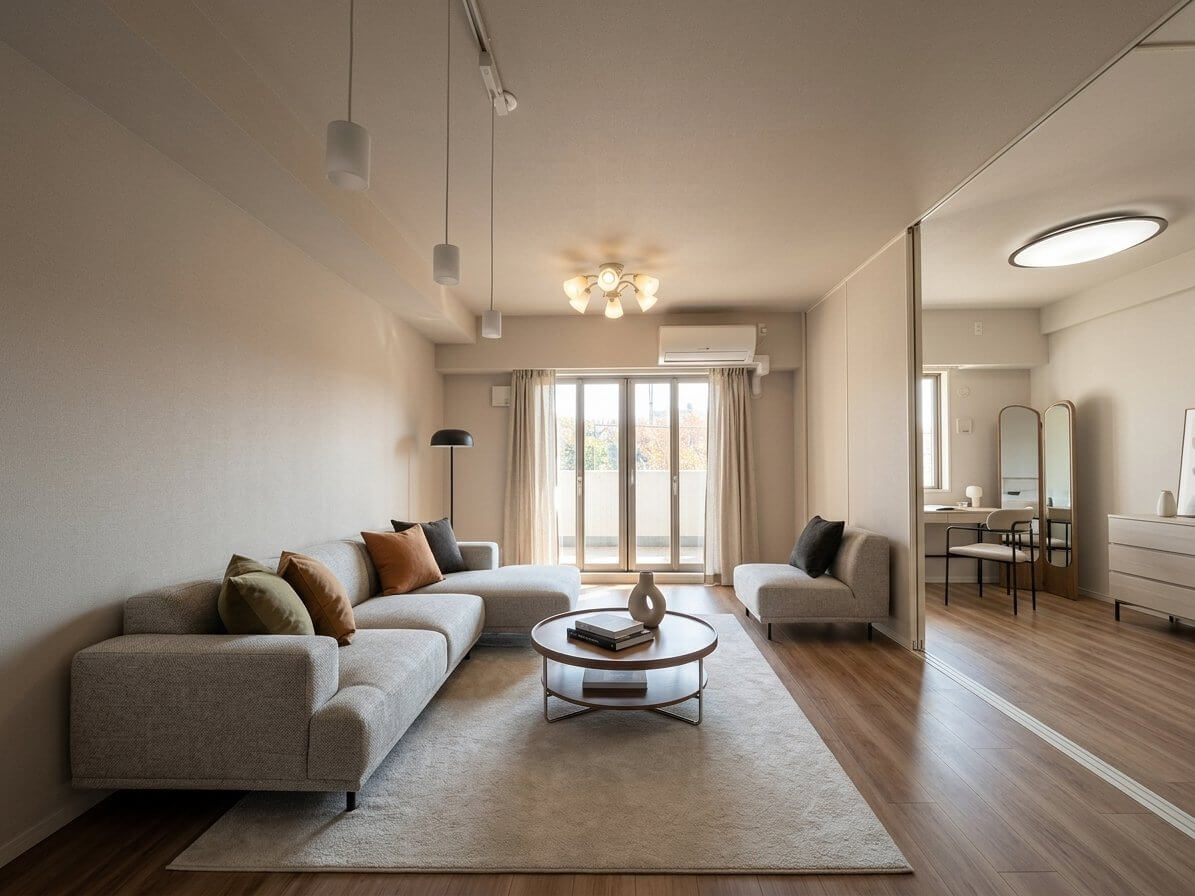
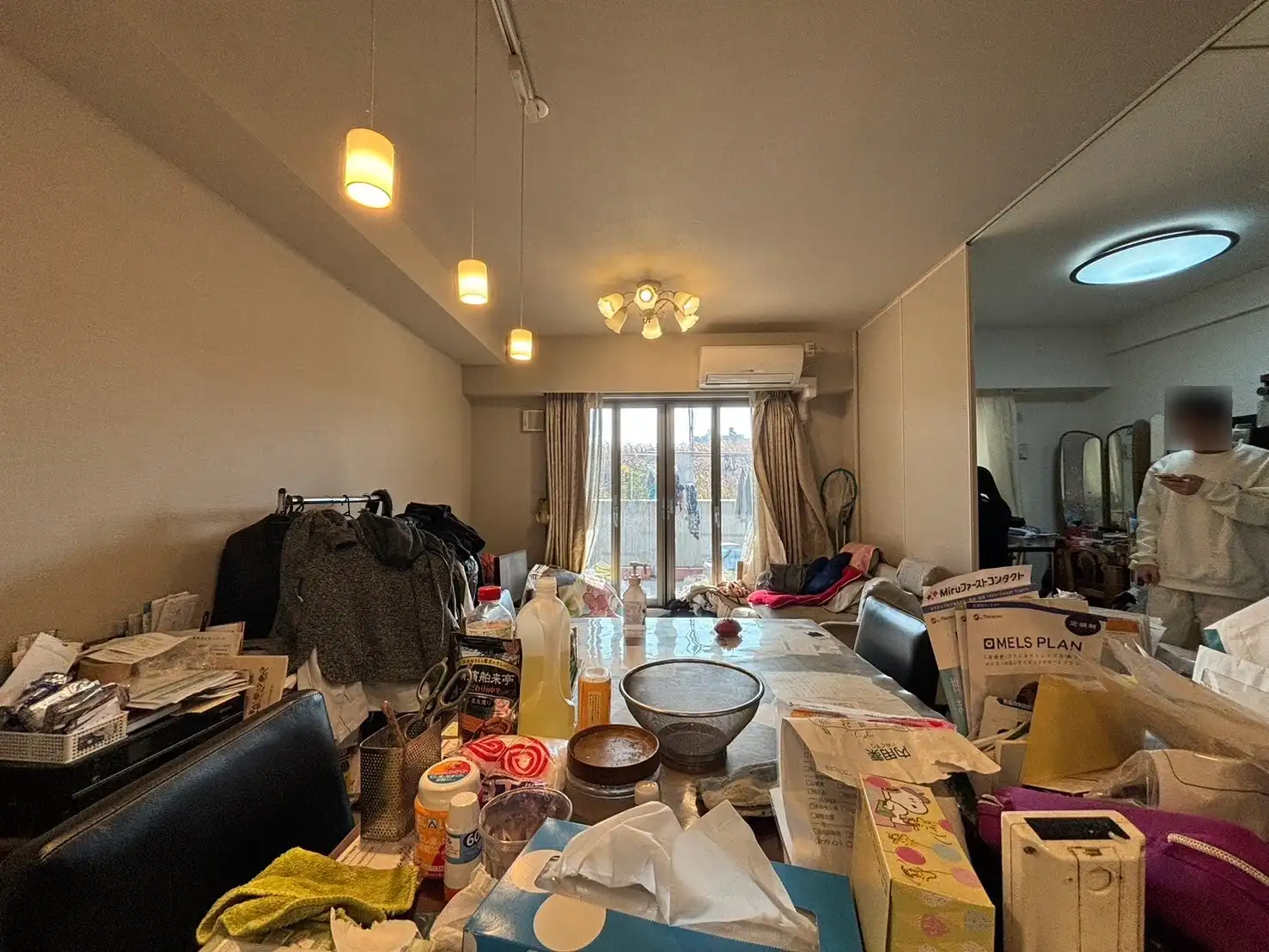
[Image: Before/after comparison showing an empty office space versus the same space staged with modern desk, chairs, and minimal decor]
Assessing the Office Space
Before you move a single desk, walk through the space with fresh eyes. I recommend bringing someone who hasn't seen it before—they'll notice things you've become blind to.
Take stock of these elements:
- Natural light sources: Windows are premium features. Arrange furniture to highlight them, not block them.
- Architectural features: Exposed brick, high ceilings, or built-in shelving should be featured, not hidden.
- Traffic flow: Identify the natural path from entrance to main work areas. Don't obstruct it.
- Problem areas: Low ceilings, awkward corners, or poor lighting need strategic solutions.
- Target tenant profile: A tech startup needs different staging than a law firm.
Measure the space and sketch a basic floor plan. You'll reference this when selecting furniture that fits proportionally.
Choosing Furniture That Shows Function
Office staging furniture should be neutral, professional, and appropriately scaled. You're not decorating for personal taste—you're creating a blank canvas that lets buyers project their own vision.
Desks and Work Surfaces
Choose clean-lined desks in neutral finishes (white, gray, natural wood, or black). Avoid bulky executive desks unless you're staging a corner office. Modern options include:
- Simple writing desks (48-60 inches) for individual offices
- Bench-style desks to demonstrate open-plan layouts
- Height-adjustable desks to show flexibility (these are increasingly expected by tenants)
Leave the desk mostly clear. Add a laptop, a small plant, and maybe a notebook to suggest use without clutter.
Seating
Ergonomic office chairs in black or gray mesh are safe choices. They photograph well and appeal to the broadest audience. For reception or meeting areas, add 2-4 guest chairs that coordinate but don't necessarily match.
According to research from the American Society of Interior Designers, workplace design directly impacts productivity and employee satisfaction, so showing quality seating demonstrates value to prospective tenants.
Conference and Collaboration Areas
If space allows, stage a small meeting area with a conference table and 4-6 chairs. This is especially important for spaces targeting small businesses or startups. It shows the space can accommodate teams without requiring off-site meetings.
Storage Solutions
Add one or two sleek storage pieces—a lateral file cabinet, a credenza, or wall-mounted shelving. This reassures buyers that the space has storage capacity without making it feel cluttered.
[Image: Modern staged office showing a simple desk setup with ergonomic chair, minimal desk accessories, and a small bookshelf with a few books and a plant]
Creating a Layout That Sells
Your furniture arrangement should demonstrate how the space can be used while maintaining openness and flow.
Define Zones Clearly
Even in an open floor plan, create distinct zones:
- Reception/entry area: A small console table or desk with two chairs
- Individual workspaces: 1-3 desk setups depending on square footage
- Meeting area: A small table with chairs if space permits
- Break area: A café table or small counter with stools (if kitchen facilities exist)
Maintain Sightlines
Prospective tenants should be able to stand at the entrance and see through the space. Avoid placing tall furniture in the center of the room. Keep the middle open to emphasize square footage.
Allow for Traffic Flow
Leave at least 36 inches of clearance around desks and furniture. Buyers should be able to walk through the space comfortably during showings. Cramped arrangements make spaces feel smaller than they are.
Show Flexibility
If you're staging a larger space, consider showing two different work styles in different areas—perhaps traditional desks on one side and a more collaborative bench setup on the other. This suggests the space can accommodate different work preferences.
Finishing Touches: Color, Light, and Greenery
Details matter in office staging, but restraint is key. You want the space to feel intentional without being overly decorated.
Wall Color
If you can paint, stick with neutral whites, soft grays, or greiges. These photograph well and appeal to the widest audience. If the space has accent walls in bold colors, consider whether they help or hurt. A navy accent wall in a private office can add sophistication, but lime green in the main area might alienate buyers.
Lighting
Poor lighting kills office appeal. If the space has outdated fluorescent fixtures, consider replacing them with modern LED panels—it's a relatively inexpensive upgrade that makes a massive difference.
Add task lighting where appropriate. A modern desk lamp on a work surface suggests the space is functional and well-thought-out.
Artwork and Decor
Keep wall decor minimal and generic. Large-scale abstract prints in black and white or muted tones work well. Avoid anything political, religious, or too personal. One to three pieces total is usually enough.
Plants and Greenery
Plants add life and make spaces feel cared for. Choose low-maintenance options like snake plants, pothos, or ZZ plants. Place them on desks, credenzas, or in corners that need softening. Two to four plants are usually sufficient for a small office.
[Image: Staged office corner showing a desk with modern lamp, small succulent, and a simple framed abstract print on the wall]
Virtual Staging for Office Spaces
Physical staging for commercial spaces can be expensive. Furniture rental for office staging typically runs $1,500-$4,000 per month depending on the amount of furniture and space size, and many office buildings don't allow easy furniture delivery.
Virtual staging offers a cost-effective alternative, especially for online listings and initial marketing. AI virtual staging services can digitally furnish empty office photos starting around $5 per image—a fraction of physical staging costs.
Virtual staging works particularly well for:
- Large open-plan offices where physical staging would require significant furniture
- Multiple floor plan options where you can show different layout possibilities
- Early marketing phases before you invest in physical staging
- Vacant buildings where coordinating furniture delivery is difficult
When using virtual staging, always disclose that images are digitally enhanced. Include both virtually staged photos and actual empty space photos in your listing to maintain transparency.
[Image: Side-by-side comparison of an empty office space and the same space with virtual staging showing desks, chairs, and decor]
Maintaining a Staged Office During Showings
Once your office is staged, keep it pristine throughout the marketing period.
Weekly maintenance checklist:
- Dust all surfaces, especially desks and shelves
- Vacuum or sweep floors
- Clean windows and glass surfaces
- Water plants (but don't overwater—brown leaves look worse than no plants)
- Straighten furniture and decor items
- Check that all light bulbs are working
- Remove any accumulated mail, flyers, or debris from common areas
Before each showing, do a quick walk-through. Open blinds to maximize natural light, turn on lamps, and adjust the thermostat to a comfortable temperature. Small details like these make the space feel welcoming and maintained.
If the space will be vacant for an extended period, visit at least weekly. Staged spaces that look abandoned or dusty send the wrong message to potential tenants.
Staging an office space doesn't require a huge budget, but it does require strategic thinking about your target tenant and how to showcase the space's best features. Whether you choose physical staging, virtual staging, or a combination of both, the goal remains the same: help buyers see possibility where they might otherwise see only empty square footage.