Table of Contents
- What is a Home Staging Pricing Calculator?
- How Home Staging Pricing Calculators Work
- Factors That Affect Staging Costs
- Traditional Staging vs. Virtual Staging: Cost Comparison
- When a Calculator May Not Tell the Whole Story
- Alternatives to Traditional Physical Staging
What is a Home Staging Pricing Calculator?
A home staging pricing calculator is an online tool that estimates the cost of staging your property based on inputs like square footage, number of rooms, and staging level required. These calculators use industry averages and local market data to generate cost estimates, typically ranging from $1,500 for a small apartment to $10,000+ for a large home.
The goal is simple: give you a ballpark figure before you commit to hiring a staging company. Most calculators are free and take less than five minutes to complete.
[Image: Screenshot of a home staging pricing calculator interface showing input fields for square footage, number of rooms, and staging level]
How Home Staging Pricing Calculators Work
Most staging calculators follow a similar formula. You'll input:
Property details:
- Total square footage
- Number of rooms to stage
- Property type (apartment, single-family home, luxury property)
- Current condition (vacant, occupied, needs repairs)
Staging preferences:
- Partial staging (key rooms only) vs. full home staging
- Duration of staging (typically 1-3 months)
- Additional services like professional photography or design consultation
The calculator then applies average costs per room or per square foot, factoring in regional variations. According to the Real Estate Staging Association, the national average for staging a living room ranges from $600 to $2,000, while bedrooms typically cost $400 to $1,200 each.
Interpreting your results:
Most calculators break down costs into:
- Initial consultation fee ($150-$500)
- Furniture rental (if needed)
- Staging service fee
- Monthly rental fees if staging extends beyond the initial period
Keep in mind these are estimates. The actual quote from a staging company may differ based on their specific pricing model, availability, and your property's unique characteristics.
Factors That Affect Staging Costs
Property Size and Layout
Larger homes require more furniture, accessories, and labor hours. A 3,500 sq. ft. home will naturally cost more to stage than an 800 sq. ft. apartment. Homes with open floor plans may actually cost less to stage than compartmentalized layouts with many small rooms, since fewer furniture pieces can make a bigger impact.
Location and Market Competition
Staging costs vary significantly by region. In competitive markets like San Francisco, New York, or Los Angeles, staging a 2,000 sq. ft. home might run $4,000-$6,000. In smaller markets, the same property might cost $2,000-$3,500. This reflects both the cost of living and the competitive pressure to stage properties in hot markets.
Condition of the Property
If your property needs repairs, deep cleaning, or paint touch-ups before staging, those costs add up quickly. Some staging companies include minor styling and decluttering in their base price, while others charge separately for pre-staging work.
Vacant homes often cost more to stage because you're renting all the furniture. If you're living in the home, a stager might work with your existing pieces and supplement with rentals, reducing costs by 30-50%.
Staging Duration
Most staging contracts cover 30-90 days. According to the National Association of Realtors 2023 Profile of Home Staging, staged homes typically sell in 23 days compared to 47 days for non-staged homes. If your property takes longer to sell, you'll pay monthly renewal fees, usually 20-30% of the initial staging cost.
Level of Staging Required
Partial staging focuses on high-impact areas: living room, master bedroom, kitchen, and entryway. This typically costs 40-60% less than full-home staging and works well for properties where other rooms are in good condition.
Full staging covers every visible room, creating a cohesive look throughout the property. This is often recommended for vacant homes or properties in competitive price ranges.
[Image: Side-by-side comparison of a partially staged home (living room and master bedroom only) versus a fully staged home]
Traditional Staging vs. Virtual Staging: Cost Comparison
Traditional physical staging isn't your only option anymore. Virtual staging uses software to digitally add furniture and decor to photos of empty rooms.
Traditional staging costs:
- Small apartment (800-1,000 sq. ft.): $1,500-$2,500
- Mid-size home (1,800-2,500 sq. ft.): $3,000-$5,000
- Large home (3,000+ sq. ft.): $5,000-$10,000+
Virtual staging costs:
- Per photo: $5-$100 depending on provider
- Full listing (15-20 photos): $100-$500
I've seen the virtual staging market evolve significantly. AI-powered virtual staging tools can now generate photorealistic staged images for as little as $5 per photo, making it accessible for any budget. The tradeoff is that buyers see staged photos online but walk into an empty house, which can create a disconnect.
Virtual staging works best for:
- Online-first marketing where you need compelling listing photos
- Properties in lower price ranges where traditional staging ROI is harder to justify
- Testing different furniture styles before committing to physical staging
- Properties that will sell quickly and may not need physical staging
Traditional staging still wins for:
- Luxury properties where buyers expect to see staged homes
- Homes with open houses where in-person presentation matters
- Markets where most competing listings are physically staged
When a Calculator May Not Tell the Whole Story
Pricing calculators give you a starting point, but they can't account for everything:
Your specific property quirks: An awkward layout, dated finishes, or unique architectural features may require custom solutions that cost more than standard staging.
Stager expertise levels: Experienced stagers with strong portfolios and designer credentials charge premium rates. A calculator shows average prices, not the range from budget to high-end providers.
Seasonal demand: Staging costs may increase during peak selling season (spring/summer) when demand is high and inventory is limited.
Hidden costs: Some staging companies charge separately for delivery, setup, removal, storage, and damage insurance. Always ask for a detailed quote that includes all fees.
The best approach is to use a calculator for initial budgeting, then get quotes from 2-3 local staging companies for accurate pricing.
Alternatives to Traditional Physical Staging
If a calculator shows that traditional staging exceeds your budget, consider these alternatives:
DIY staging with rental furniture: Companies like Fernish or Feather rent furniture monthly. You handle the design work, but save on staging service fees. Expect to spend $500-$1,500 per month.
Consultation-only staging: Hire a stager for a 2-hour consultation ($200-$500) who provides a staging plan. You execute it yourself using your own furniture and budget-friendly decor from HomeGoods or Target.
Virtual staging: As mentioned earlier, this offers professional-looking listing photos at a fraction of the cost. Virtual staging costs are typically under $100 for multiple rooms, which is useful if your property will sell primarily based on online appeal.
Hybrid approach: Stage only the rooms visible in listing photos (living room, master bedroom) and leave secondary spaces empty. Combine physical staging of 2-3 key rooms with virtual staging of the rest.
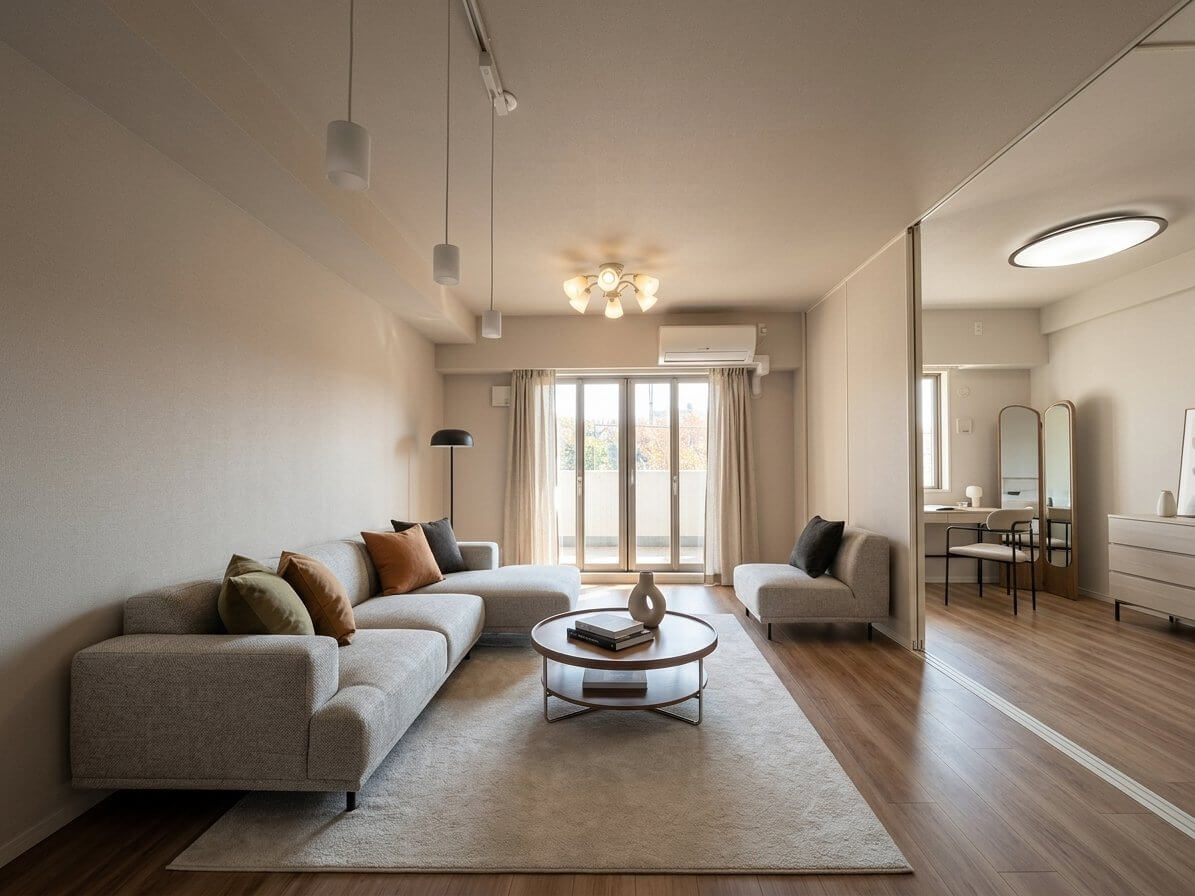
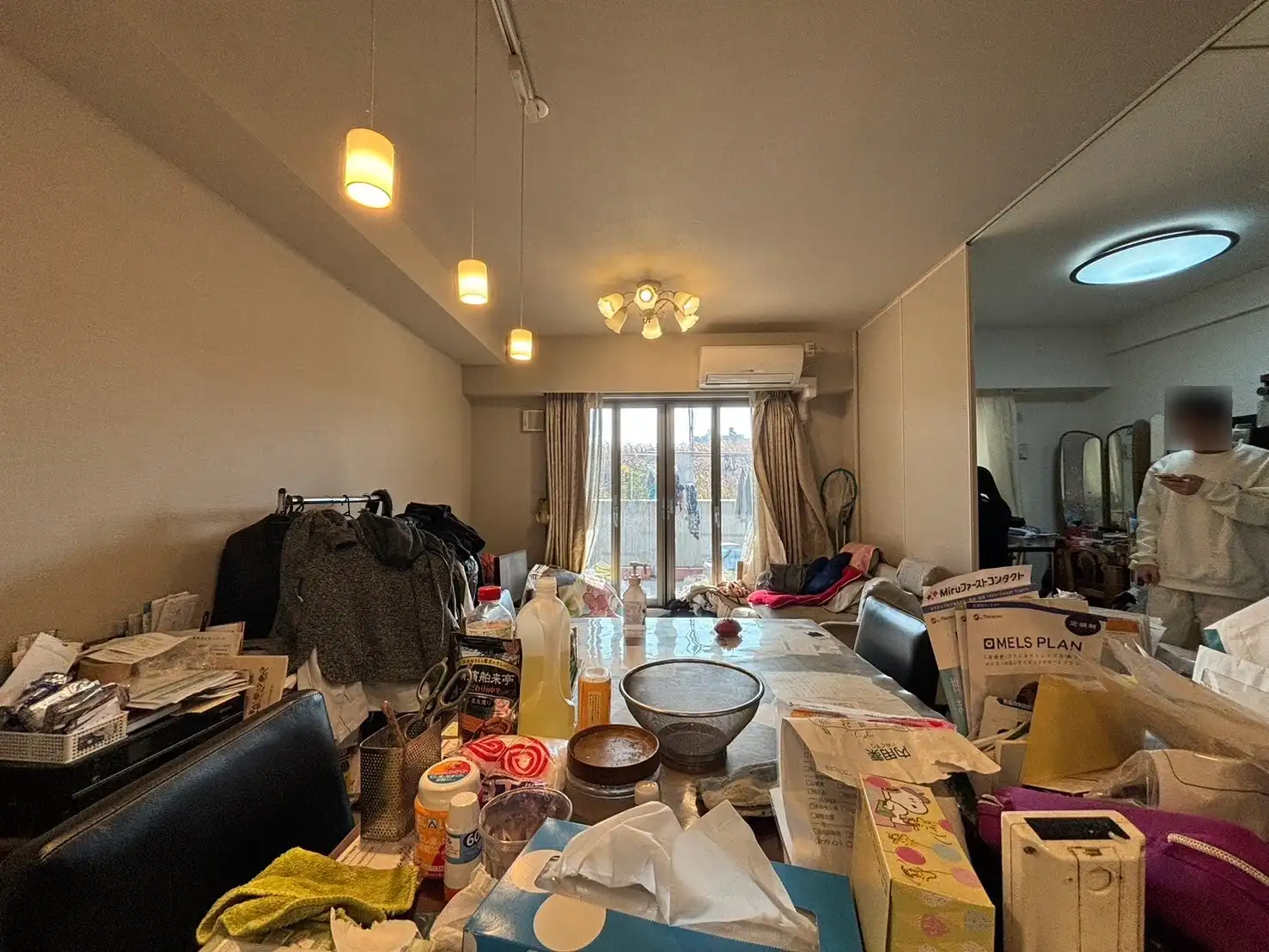
[Image: Before and after comparison showing an empty living room transformed with AI virtual staging]
The staging strategy that makes sense depends on your property's price point, local market expectations, and your budget. A $200,000 condo might not justify $4,000 in staging costs, while a $1.2 million home almost certainly does.
According to NAR data, staged homes sell for 5-15% more on average than non-staged homes. On a $400,000 property, that's $20,000-$60,000 in additional sale price—well worth a $3,000 staging investment. The calculator helps you run these numbers for your specific situation.
Bottom line: Use a home staging pricing calculator as your starting point, but factor in your property's unique characteristics, local market norms, and the full range of staging options—from traditional to virtual—before making a decision. The calculator won't make the choice for you, but it will help you understand what you're working with financially.