Do Realtors Pay for Photography? Who Covers Real Estate Photo Costs in 2026
If you're selling a home, you've probably wondered who pays for those professional listing photos. The answer isn't always straightforward—it depends on your agreement with your agent, local market customs, and the specific circumstances of your sale.
In most cases, realtors cover photography costs as part of their marketing budget. But there are exceptions, and understanding when and why can help you negotiate better terms or budget appropriately.
Table of Contents
- Why Real Estate Photography Matters
- Who Typically Pays for Real Estate Photography?
- How Much Does Real Estate Photography Cost?
- What to Look for When Hiring a Real Estate Photographer
- The ROI of Professional Photography
- Alternatives to Traditional Photography
Why Real Estate Photography Matters
Before diving into who pays, it's worth understanding why professional photos are non-negotiable in today's market.
According to the National Association of Realtors, 97% of homebuyers use the internet to search for homes, and the first thing they see is your photos. Listings with professional photography receive 61% more views than those with amateur shots, based on research from VHT Studios.
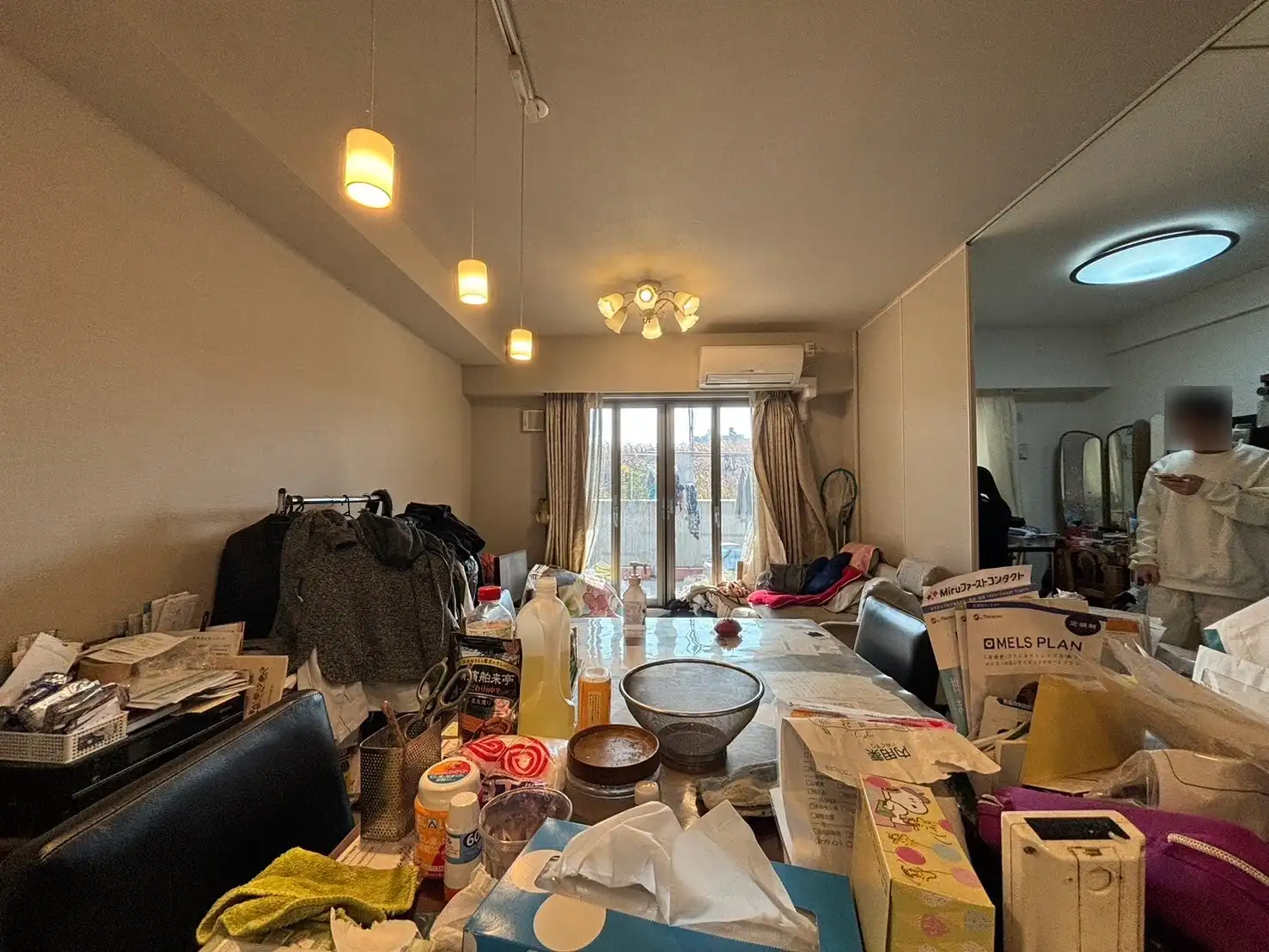
[Image: Split-screen comparison showing an amateur smartphone photo of a living room next to a professional wide-angle shot of the same room with proper lighting and composition]
Homes with high-quality images also sell faster—up to 32% quicker according to industry data—and can command prices up to 47% higher per square foot compared to homes with low-quality photos.
Professional photographers use wide-angle lenses, HDR processing, and proper lighting techniques to make rooms appear spacious and inviting. They know how to stage shots, eliminate clutter in post-processing, and capture the angles that highlight a property's best features.
Who Typically Pays for Real Estate Photography?
The short answer: it varies, but realtors usually cover the cost.
When Realtors Pay (Most Common)
In the majority of transactions, listing agents pay for photography as part of their marketing expenses. Here's why:
It's a marketing investment. Realtors view professional photos as essential to attracting buyers and securing a quick sale at the best price. Since they earn commission on the sale, investing $200-400 in photography can yield thousands in return.
It's expected in full-service listings. Most agents who offer full-service representation (as opposed to discount or flat-fee services) include professional photography in their package. They may also cover staging, drone photography, virtual tours, and other marketing costs.
Agents control quality. When realtors hire the photographer directly, they can ensure consistency across their listings and maintain relationships with photographers they trust.
In competitive markets like San Francisco, Austin, or Miami, agents rarely ask sellers to pay for photography—it's simply the cost of doing business.
When Sellers Pay
There are situations where property owners cover photography costs:
Discount or flat-fee brokerages. If you're working with a discount brokerage that charges a flat fee instead of a percentage commission, photography is often an add-on service you pay for separately.
For-Sale-By-Owner (FSBO) transactions. Sellers who list without an agent are responsible for all marketing costs, including photography.
Luxury properties with specific requirements. Some high-end sellers prefer to hire their own photographer to ensure the images meet their exacting standards, especially for estates over $2 million.
Rental properties. Landlords listing rental properties typically pay for their own photos, as there's no realtor commission involved.
Split Costs
Occasionally, agents and sellers agree to split photography costs, particularly in situations where:
- The seller requests premium services like aerial drone footage or twilight photography that exceed the agent's standard budget
- The property requires extensive photo editing or virtual staging
- The agent is offering a reduced commission rate
If you're negotiating with an agent, ask upfront what marketing services are included. Get it in writing in your listing agreement.
[Image: Infographic showing a pie chart of who pays for real estate photography: 70% realtor pays, 20% seller pays, 10% split costs]
How Much Does Real Estate Photography Cost?
Real estate photography typically costs between $100 and $500 per session, depending on several factors.
Pricing Factors
Property size is the biggest variable. A 1,200-square-foot condo might cost $150-250, while a 4,000-square-foot home could run $350-500.
Location matters. Photographers in major metros charge more due to higher overhead costs. Expect to pay 20-40% more in cities like New York or Los Angeles compared to smaller markets.
Included services significantly affect price:
- Basic interior/exterior photos: $100-300
- HDR editing and virtual twilight: add $50-100
- Drone/aerial photography: add $100-200
- Video walkthrough: add $200-400
- Matterport 3D tour: add $150-300
- Virtual staging: $5-50 per image (more on this below)
Photographer experience also plays a role. Established photographers with strong portfolios command premium rates, but their work often justifies the cost.
Average Costs by Property Type
Based on 2025-2026 market rates:
- Studio/1BR apartment: $100-200
- 2-3BR home: $200-350
- 4-5BR home: $300-500
- Luxury estate (5,000+ sq ft): $500-1,000+
- Commercial property: $400-1,500+
Most photographers offer package deals that bundle multiple services at a discount.
What to Look for When Hiring a Real Estate Photographer
Whether you're a realtor building your vendor list or a seller hiring directly, here's what separates great real estate photographers from mediocre ones.
Portfolio and Specialization
Review their portfolio specifically for real estate work. Look for:
- Proper use of wide-angle lenses (16-24mm) without excessive distortion
- Consistent exposure and color balance
- Vertical lines that are actually vertical (not leaning)
- Natural-looking HDR that doesn't appear oversaturated
- Variety across different property types and styles
A photographer who shoots weddings on weekends and real estate occasionally won't have the same expertise as someone who specializes exclusively in architectural and real estate photography.
Technical Capabilities
Ask about their equipment and process:
- Do they shoot with a full-frame DSLR or mirrorless camera?
- Do they use flash, natural light, or ambient-only techniques?
- What's their turnaround time? (24-48 hours is standard)
- Do they provide HDR or exposure-blended images?
- Can they deliver photos sized and optimized for MLS, social media, and print?
Reviews and References
Check Google reviews, Yelp, or testimonials on their website. Pay attention to comments about:
- Reliability and punctuality
- Communication and responsiveness
- Quality of final images
- Willingness to do reshoots if needed
Ask your agent for photographer recommendations—they often have go-to professionals they work with repeatedly.
Licensing and Usage Rights
Ensure the contract specifies that you (or your agent) receive full usage rights for marketing the property. Some photographers retain image rights or charge extra for extended use, which can create complications.
[Image: Professional real estate photographer setting up a wide-angle shot in a bright, modern kitchen with a tripod and lighting equipment]
The ROI of Professional Photography
Let's talk numbers. Does professional photography actually pay for itself?
According to Redfin's analysis, homes photographed by their professional photographers sell for $3,400-11,200 more than comparable homes with amateur photos. The study controlled for location, size, and features.
A separate study by the Wall Street Journal found that listings with professional photos sell 32% faster, which means less time paying for utilities, maintenance, and mortgage on a vacant property.
Here's a simple ROI calculation:
Cost of professional photography: $300 Average additional sale price: $5,000 Time saved on market: 15 days Holding cost savings: $500-1,000 Net benefit: $5,200-5,700
That's a return of 17x your investment, not counting the reduced stress of a faster sale.
For realtors, the math is even more compelling. If professional photos help you close one additional deal per year because buyers are impressed with your listings, you've covered your photography budget for dozens of properties.
Alternatives to Traditional Photography
While professional photography is the gold standard, there are alternatives worth considering for certain situations.
DIY Photography with a Good Smartphone
If you're listing a rental property or working with an extremely tight budget, modern smartphones (iPhone 14/15 Pro, Samsung S24 Ultra) can produce acceptable results if you:
- Use a wide-angle lens mode
- Shoot in good natural light (morning or late afternoon)
- Keep the camera level
- Declutter and stage each room
- Use HDR mode to balance exposure
But be realistic: DIY photos rarely match professional quality and may hurt your sale price more than you save.
Virtual Staging
Virtual staging has emerged as a cost-effective alternative to traditional physical staging, which costs $2,000-5,000+ per month.
AI virtual staging services can digitally furnish empty rooms for as little as $5-25 per photo. The software adds realistic furniture, decor, and finishes to vacant spaces, helping buyers visualize the potential of each room.
Virtual staging works particularly well for:
- Vacant homes that show poorly when empty
- Properties with outdated or mismatched furniture
- New construction that hasn't been furnished yet
- Investors flipping properties on tight budgets
The key is to disclose that images are virtually staged (most MLS systems require this) and to use realistic, tasteful furnishings that match the home's style and price point.
Hybrid Approaches
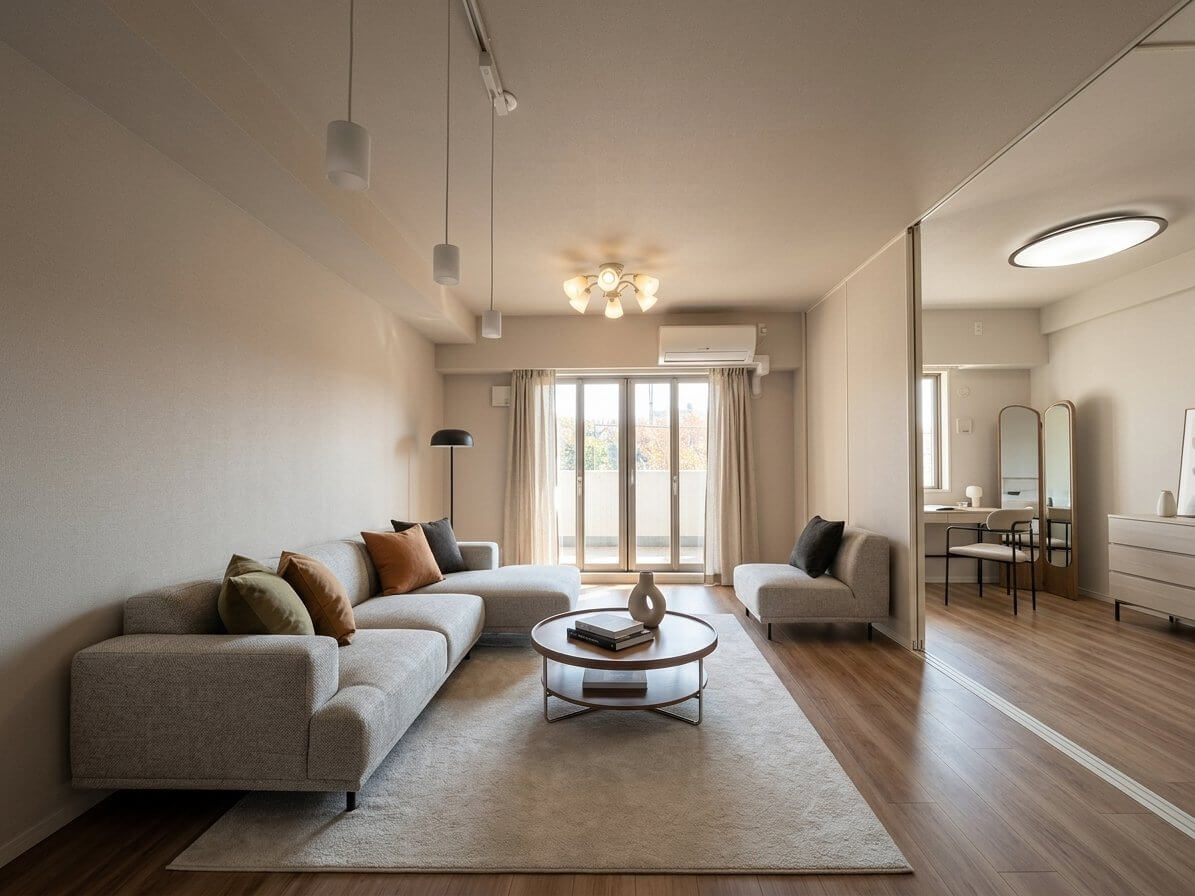
Many agents now use a hybrid strategy: professional photography for exterior and main living spaces, combined with virtual staging for empty or problem rooms. This balances quality with cost efficiency.
[Image: Before and after comparison of an empty living room that has been virtually staged with modern furniture, showing realistic lighting and shadows]
Final Thoughts
In most traditional real estate transactions, realtors pay for photography as part of their marketing investment. It's a small upfront cost that delivers measurable returns through faster sales and higher prices.
If you're a seller working with a full-service agent, photography should be included in their services at no additional cost to you. If you're working with a discount brokerage or selling independently, budget $200-400 for professional photos—it's one of the smartest investments you'll make in the selling process.
For realtors building out their service offerings, consider that professional visuals—whether traditional photography, drone footage, or AI-powered virtual staging tools—are no longer optional in competitive markets. They're the baseline expectation for serious sellers.
The bottom line: whoever ends up paying, professional photography consistently proves to be worth every dollar.