AI Renderings for Vacant Land
Show buyers how a house would look on the land. Upload a vacant lot photo, create a realistic home rendering in the same site context, and make the listing easier to evaluate at a glance.
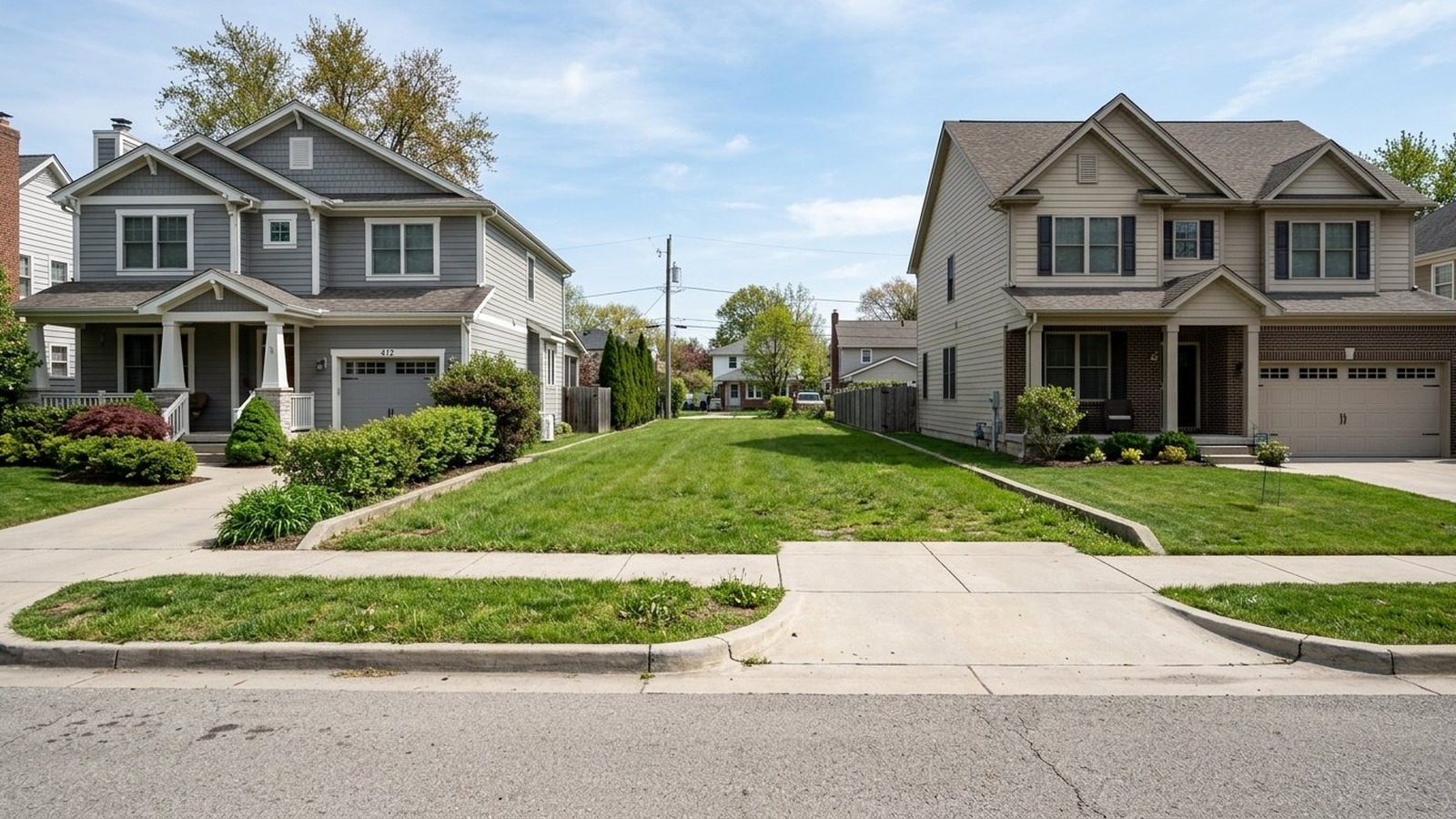 Vacant land
Start with the lot photo
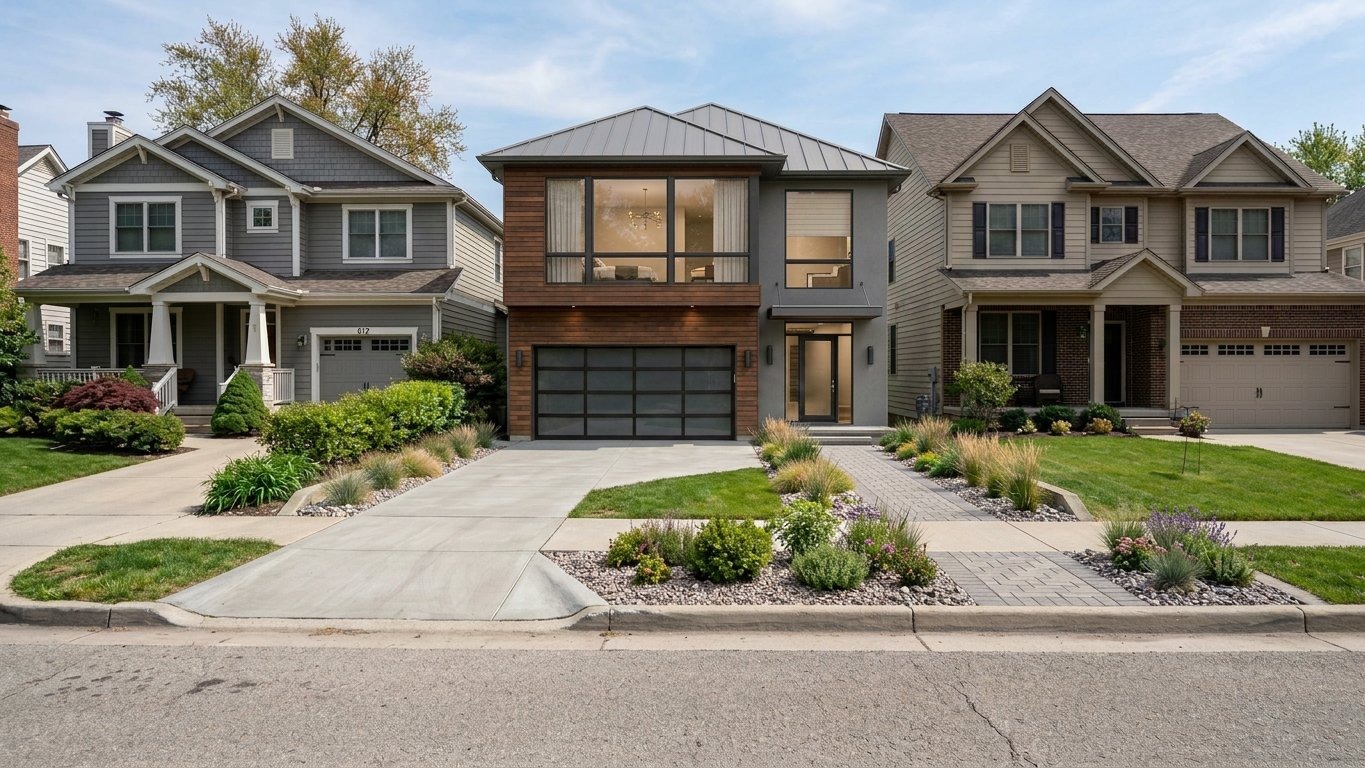 AI rendering
Generate a realistic home concept
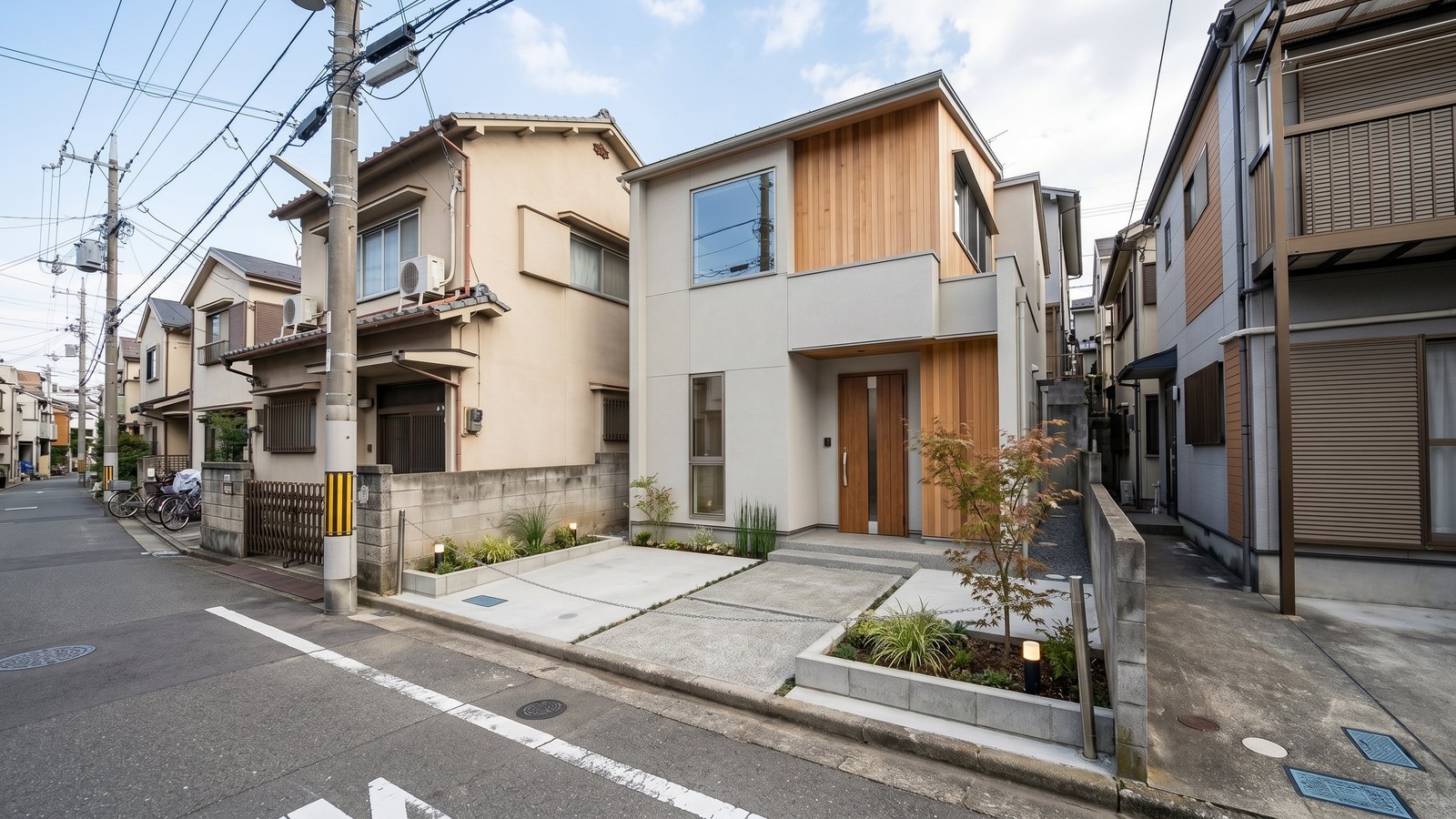
Present the lot with a home on it
Vacant land
AI rendering
Listing visual
Make vacant land easier to evaluate online
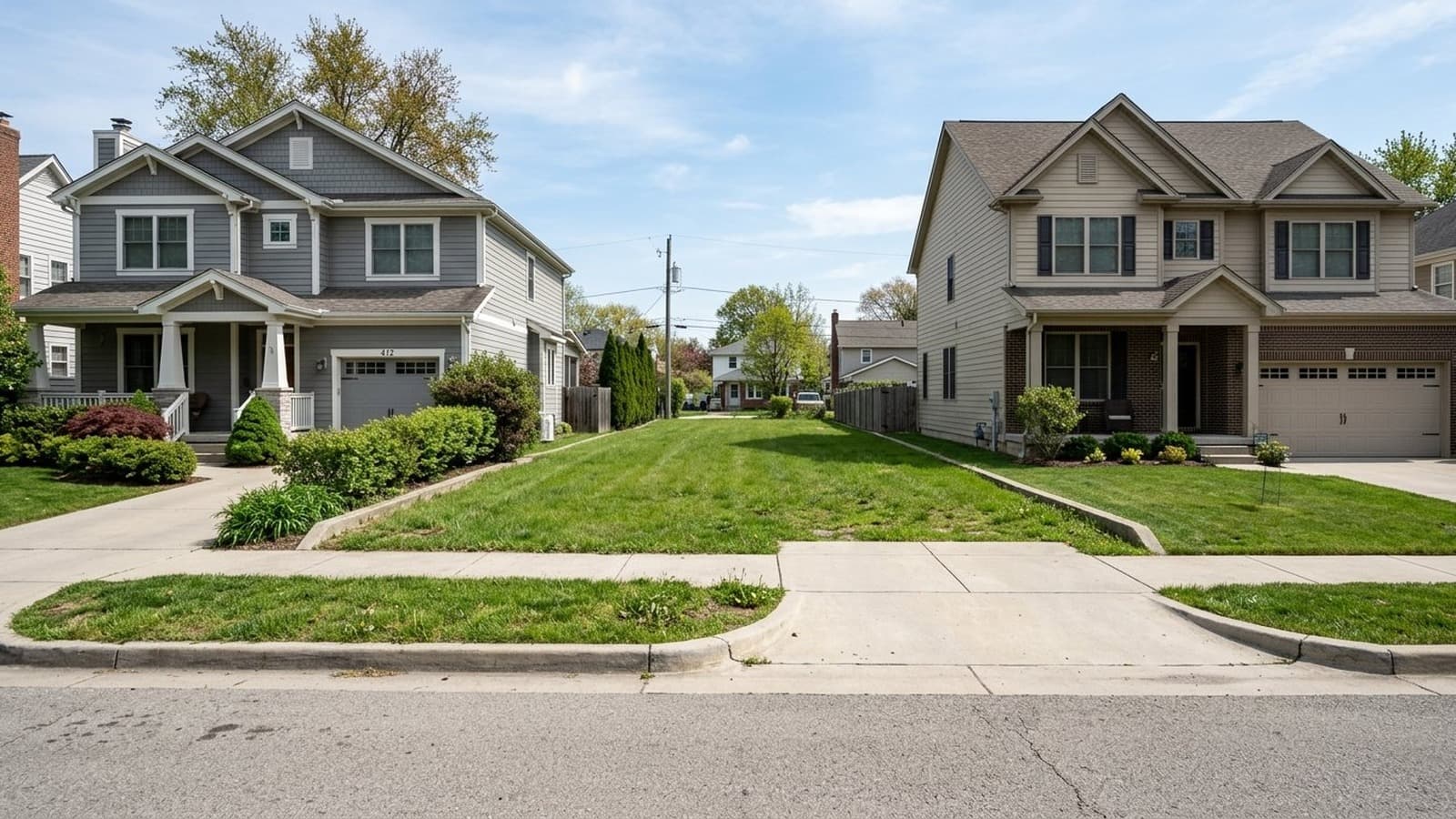
Vacant land can be difficult to market because the listing photo often shows only grass, dirt, curb, trees, or an empty parcel between neighboring homes. A rendering turns that blank space into a concrete visual: a home placed on the actual lot.
With AI house rendering, you can turn a plain land photo into a concept image that shows the house scale, entry, landscaping, frontage, and street presence. It is not a replacement for approved architectural plans, but it gives buyers a clearer first impression.
Where vacant land renderings help most
- Infill lots
Urban infill lots
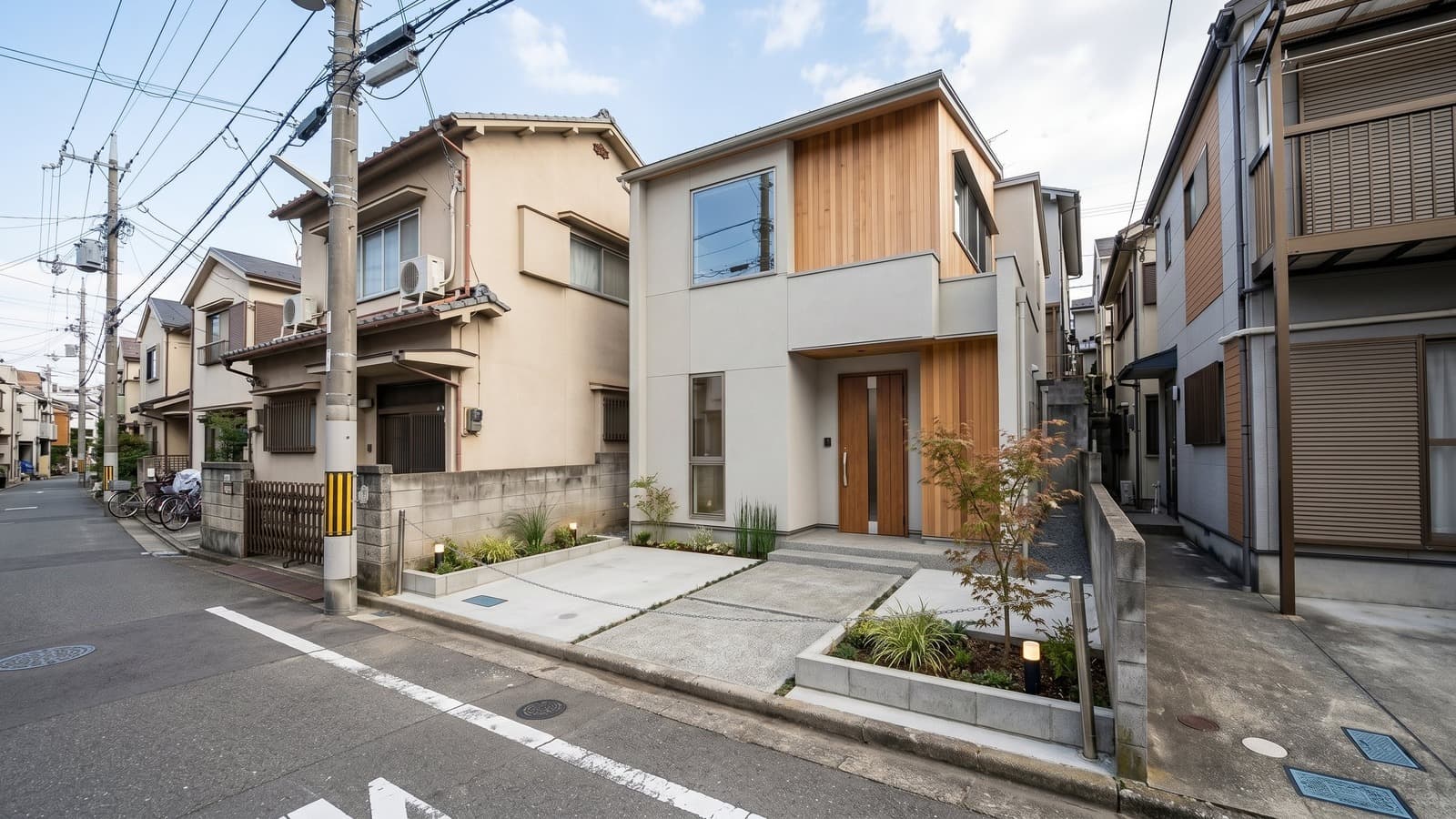
Show how a narrow or constrained parcel can support a modern home that fits the street, scale, and surrounding buildings.
- Vacant land
Suburban buildable lots
Turn a grassy parcel into a clearer buyer vision with a realistic home, entry, landscaping, driveway, and curb appeal.
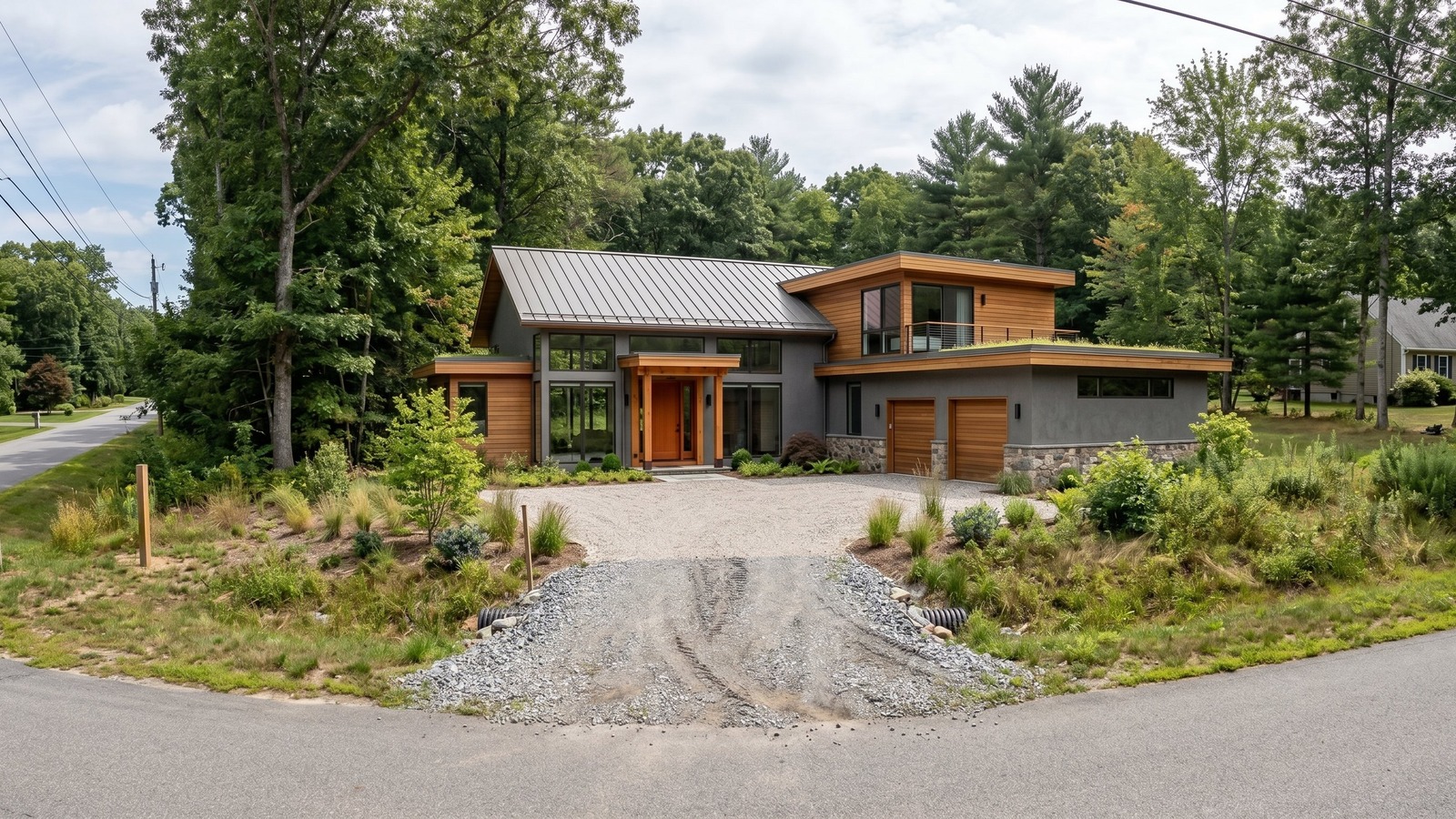 Wooded lot
Wooded edge lots
Place a home into a cleared area so buyers can see how the architecture, driveway, trees, and frontage work together.
 View lot
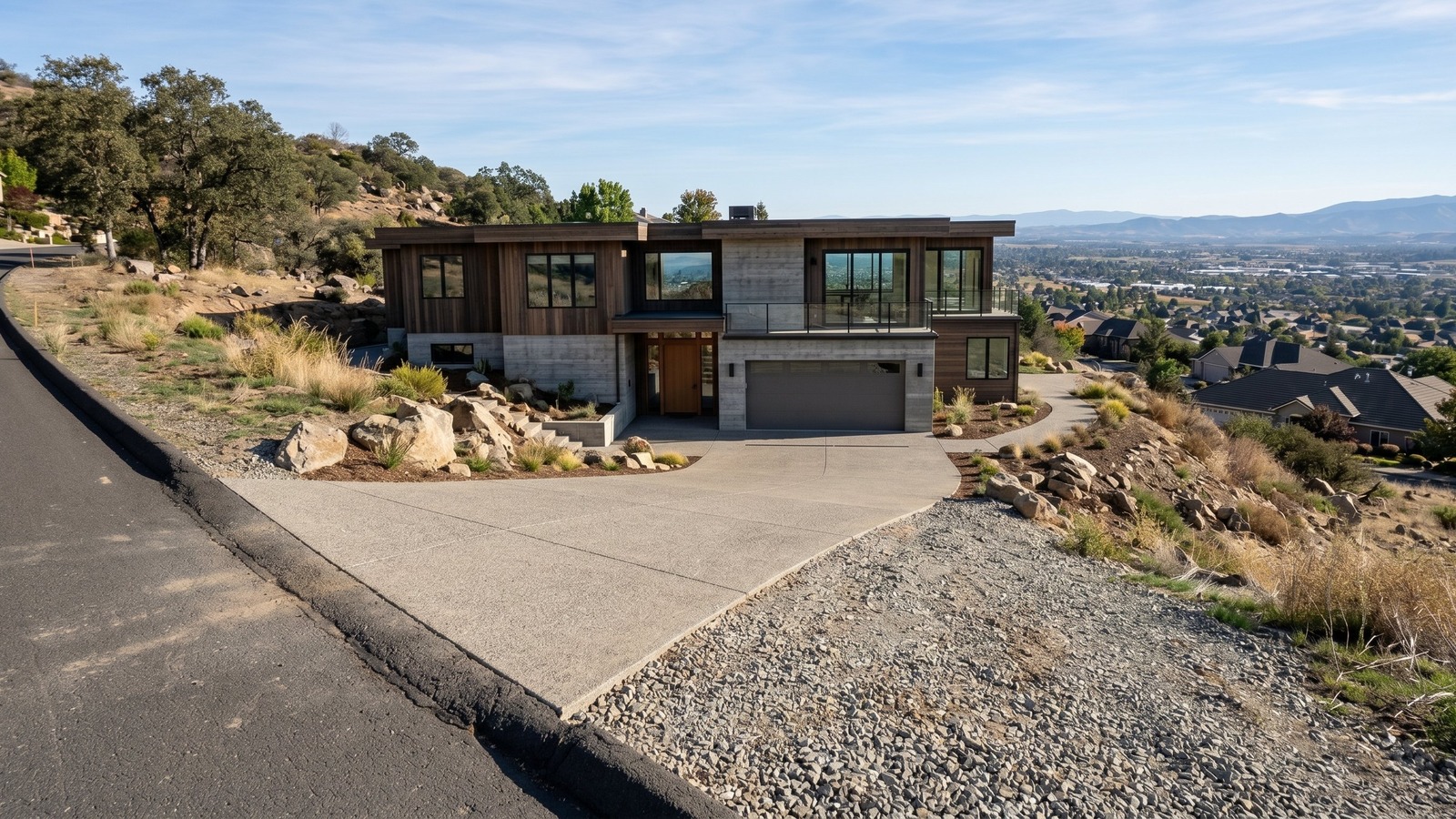
Sloped view lots
Show how a hillside home can sit into the grade, use the view, and still feel realistic for the site.
Vacant land AI rendering examples
Compare raw lot photos with AI-generated house concepts that keep the original site context visible.
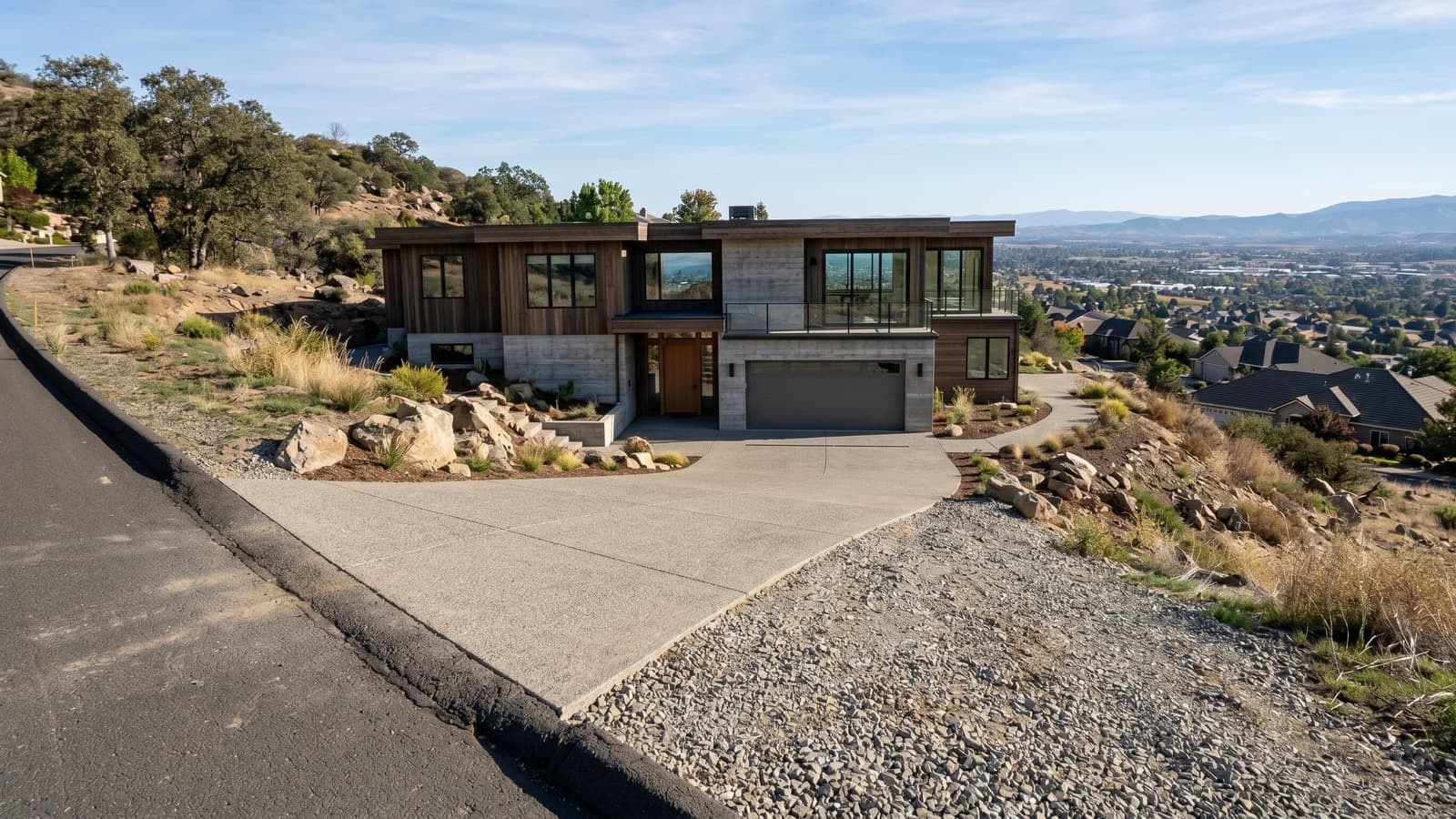
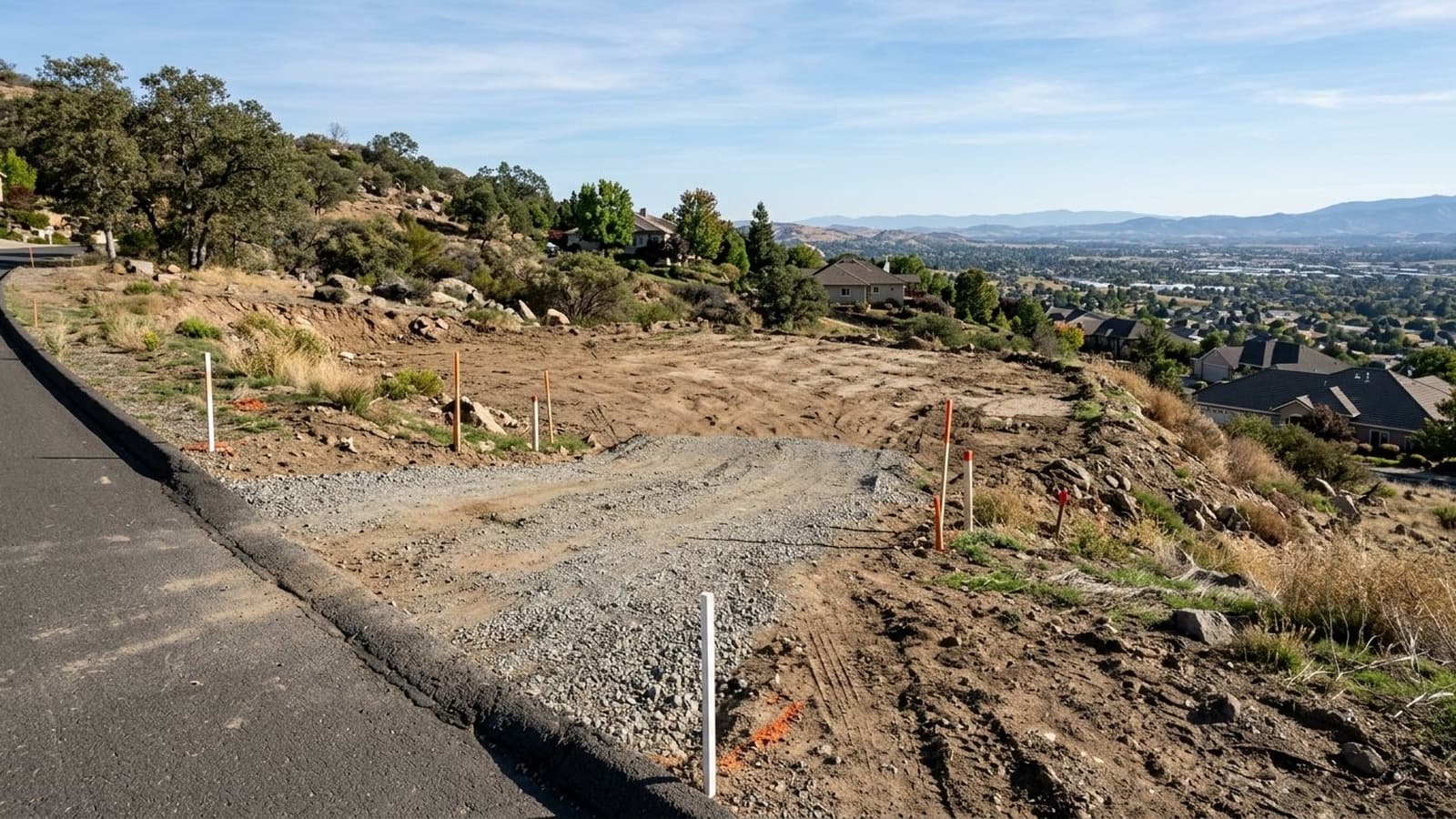
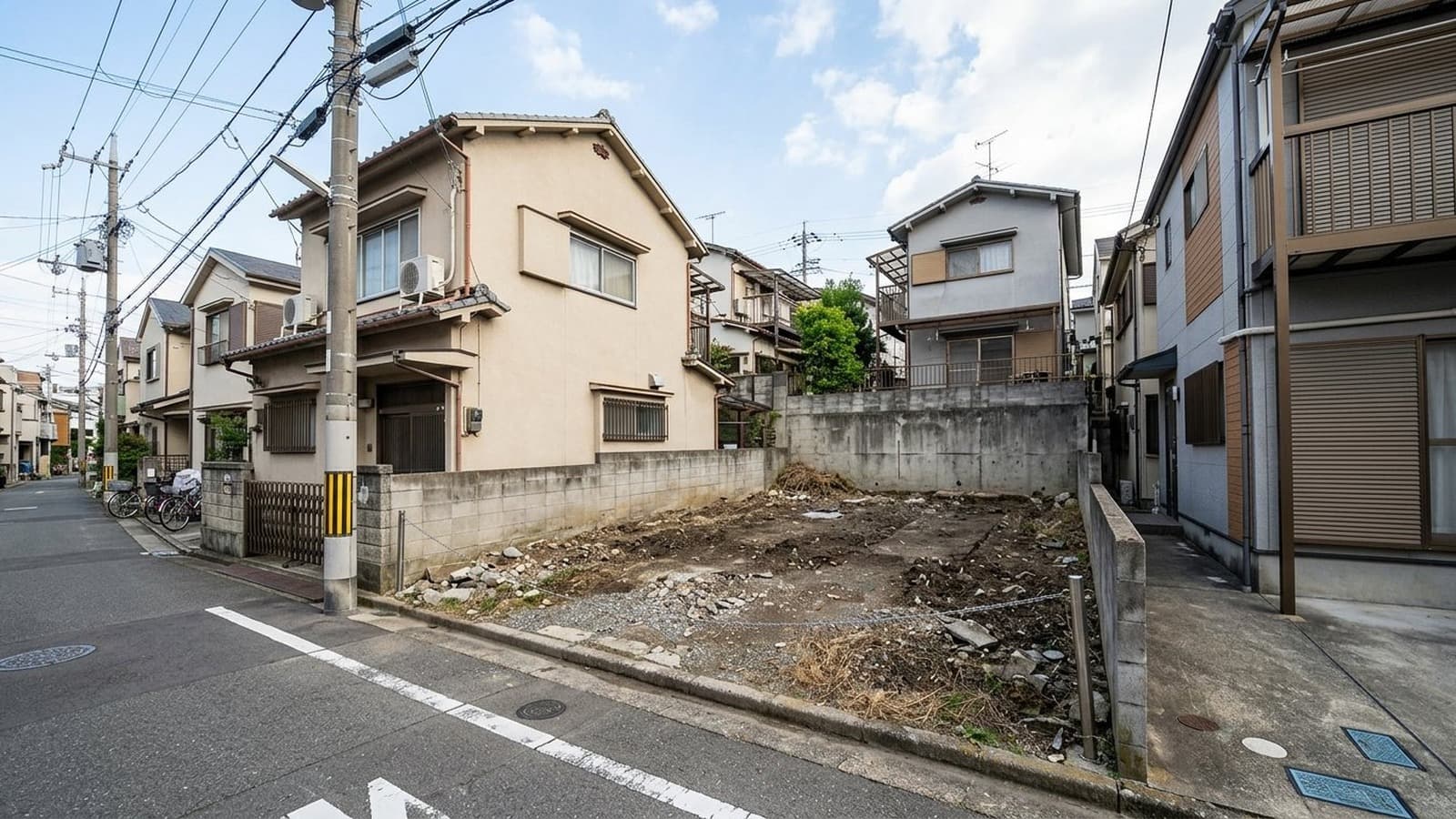
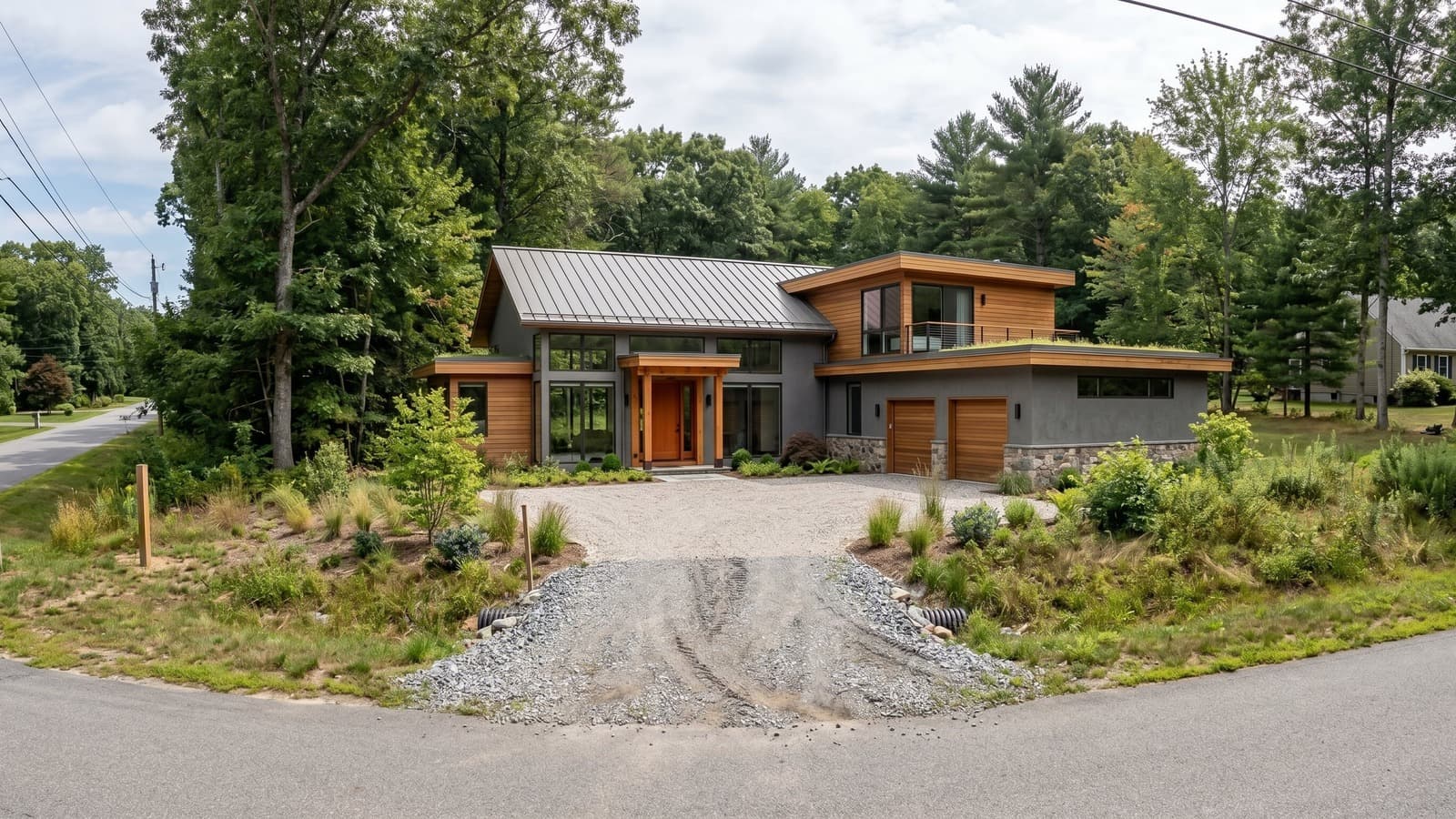
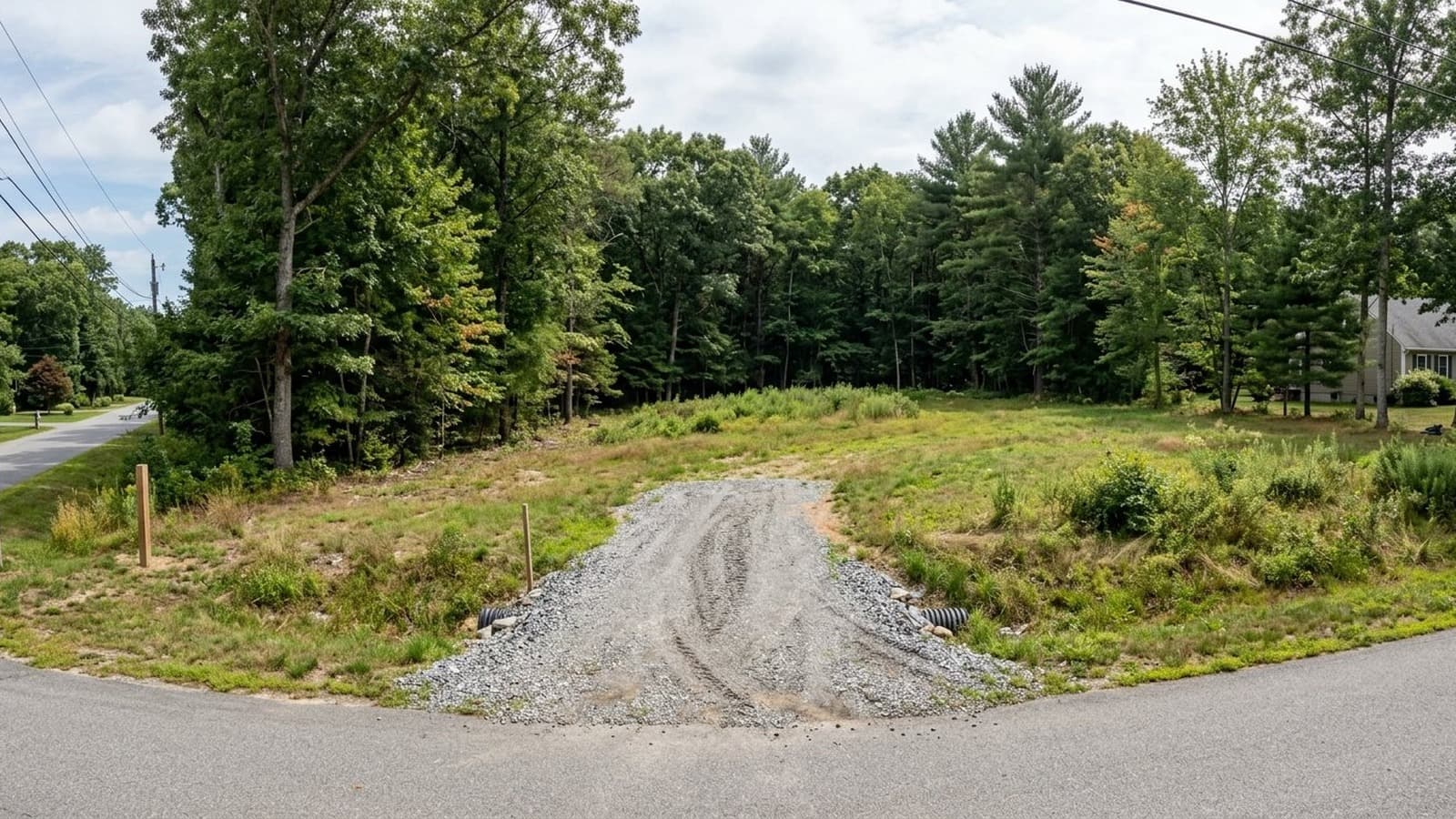
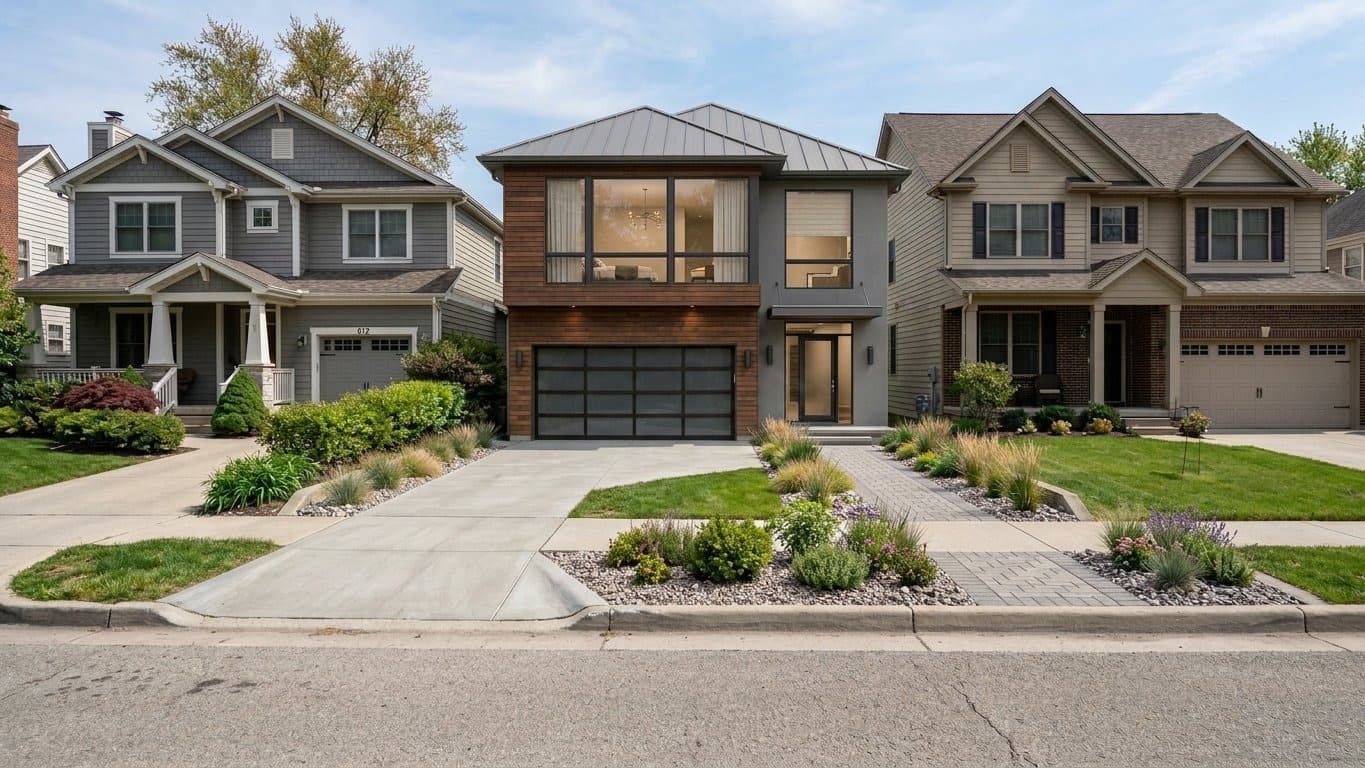
Sloped view lot: the rendering shows a hillside home concept that follows the grade and keeps the surrounding view context visible.
Use concept renderings responsibly
A vacant-land rendering should show a realistic direction for the property without implying that a specific approved home already exists. Keep the site context recognizable: street, lot shape, neighboring homes, terrain, setbacks, trees, and visible boundaries should remain as accurate as possible.
Use the image as a concept rendering, label it clearly where required, and avoid adding features that depend on permits, zoning, utilities, easements, or approvals unless those details are already confirmed.
Turn a vacant lot photo into a stronger listing visual
Upload a vacant lot photo and create a realistic AI house rendering for your next land listing.
Create a House RenderingVacant land rendering FAQ
Can AI create a house rendering from a vacant land photo?
Yes. Start with a clear photo of the lot and surrounding context. AI can add a realistic house concept to help buyers understand potential curb appeal and scale.
Do I need architectural plans first?
Not always. For early marketing, a photo and a clear direction can be enough for a concept rendering. If you need exact dimensions, materials, or permit-ready accuracy, architectural plans are still important.
Is this the same as architectural rendering?
No. AI renderings are faster concept visuals for listing and marketing use. Traditional architectural renderings are better when you need plan-accurate geometry, exact materials, and design documentation. For a deeper comparison, see the house rendering hub .
Can I use AI renderings in a real estate listing?
Usually yes, but they should be labeled clearly as renderings or concept images where your MLS, portal, brokerage, or local rules require it. Do not present a concept home as an existing or approved structure.